
Wegovy Pill Launches: A New Chapter in Prescription Weight Loss
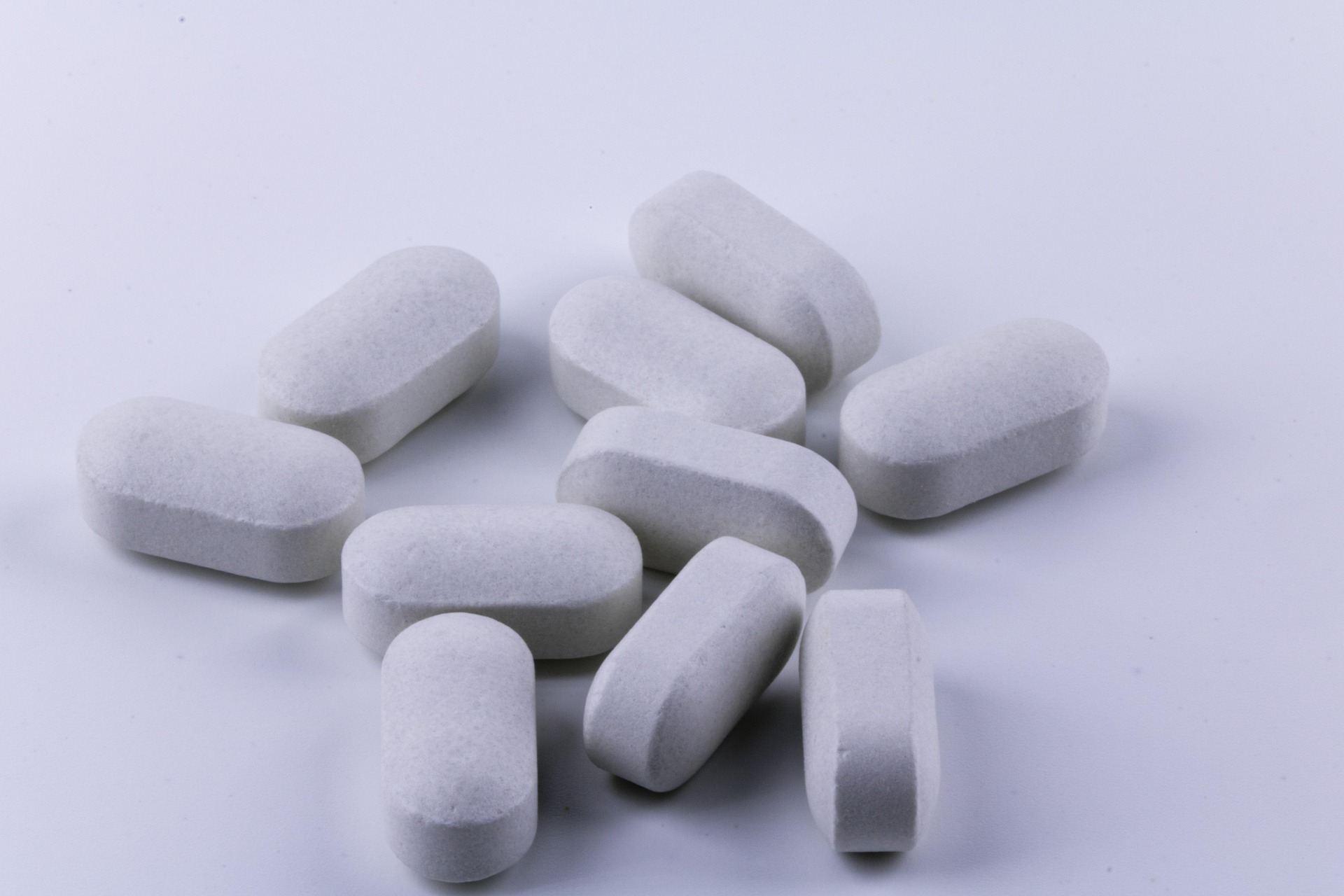
Americans looking for prescription support in managing obesity now have a new alternative to injections. Wegovy, long known as a once-weekly shot, is officially available in tablet form, offering a daily oral option for eligible patients. The launch marks an important step forward in weight-loss treatment, particularly for those who prefer pills over needles or struggle with injectable medications.
The tablet version uses the same active ingredient as the injectable form and is intended for adults with obesity or those who are overweight with related health conditions. While the science behind the medication remains the same, the experience of taking it—and some practical considerations—are different.
Availability, Pricing, and Access
The Wegovy pill is already being distributed through major pharmacy chains, select telehealth platforms, manufacturer-supported pharmacies, and prescription discount services. Patients with a valid prescription can begin with the starter dose immediately, while higher doses are rolling out in phases.
Concerns about shortages have surfaced before with injectable GLP-1 medications, but the manufacturer has stated that production capacity is sufficient to meet demand for the pill. The tablets are manufactured in the United States, which may help reduce supply disruptions.
Pricing varies by dosage. Entry-level doses are priced lower to help patients begin treatment, while higher maintenance doses come at an increased monthly cost. Compared to the injectable version, the pill offers a slightly more affordable self-pay option at certain dose levels. Patients with insurance coverage for obesity treatment may qualify for savings programs that significantly reduce out-of-pocket costs, sometimes to as little as a few dollars per month.
How the Pill Works, Effectiveness, and Side Effects
The Wegovy tablet contains semaglutide, a GLP-1 receptor agonist that helps regulate appetite, slow digestion, and improve feelings of fullness. It is approved for the same patient groups as the injection and has demonstrated comparable results in clinical studies.
Trials show that patients taking the pill experienced meaningful weight loss over time, closely matching the results seen with the injectable form. Average reductions were significantly higher than those seen in placebo groups, reinforcing its effectiveness as a medical weight-loss tool.
However, the pill comes with specific instructions. It must be taken daily on an empty stomach with a small amount of water. Patients must wait at least 30 minutes before eating, drinking anything else, or taking other medications. Skipping this window can reduce how well the medicine is absorbed.
Side effects are similar to other GLP-1 medications and may include nausea, vomiting, constipation, or diarrhea, particularly during dose increases. Clinical data suggests the pill and injection have comparable tolerability. One advantage of the daily pill is flexibility—if side effects become uncomfortable, stopping the medication quickly may reduce symptoms sooner than with a longer-acting injection.
Choosing between the pill and injection depends on lifestyle, tolerance, cost, and personal preference. Some patients may value the convenience of a weekly dose, while others prefer the control and familiarity of a daily tablet. Missing a pill dose simply means resuming the next day, without doubling up.
As oral GLP-1 treatments continue to expand, the availability of Wegovy in pill form gives patients and providers another option to personalize obesity care.

Research shows that a large number of teens are now using weight-loss products
According to a recent study published in JAMA, a high level of non-prescribed drugs, dietary supplements, and other weight-loss products are now being used
Read More
US regulator approves the first contraceptive available without prescription
The US Food and Drug Administration (FDA) has given approval for the birth control pill Opill to be available over-the-counter in the US, making
Read More
The first oral pill for post-natal depression is now available in the US
The drug manufacturers Biogen and Sage Therapeutics Inc. have confirmed that the first oral pill sanctioned in the US for the treatment of postpartum
Read More