
Trump Considers Pressure Tactics Amid Escalating Iran Protests
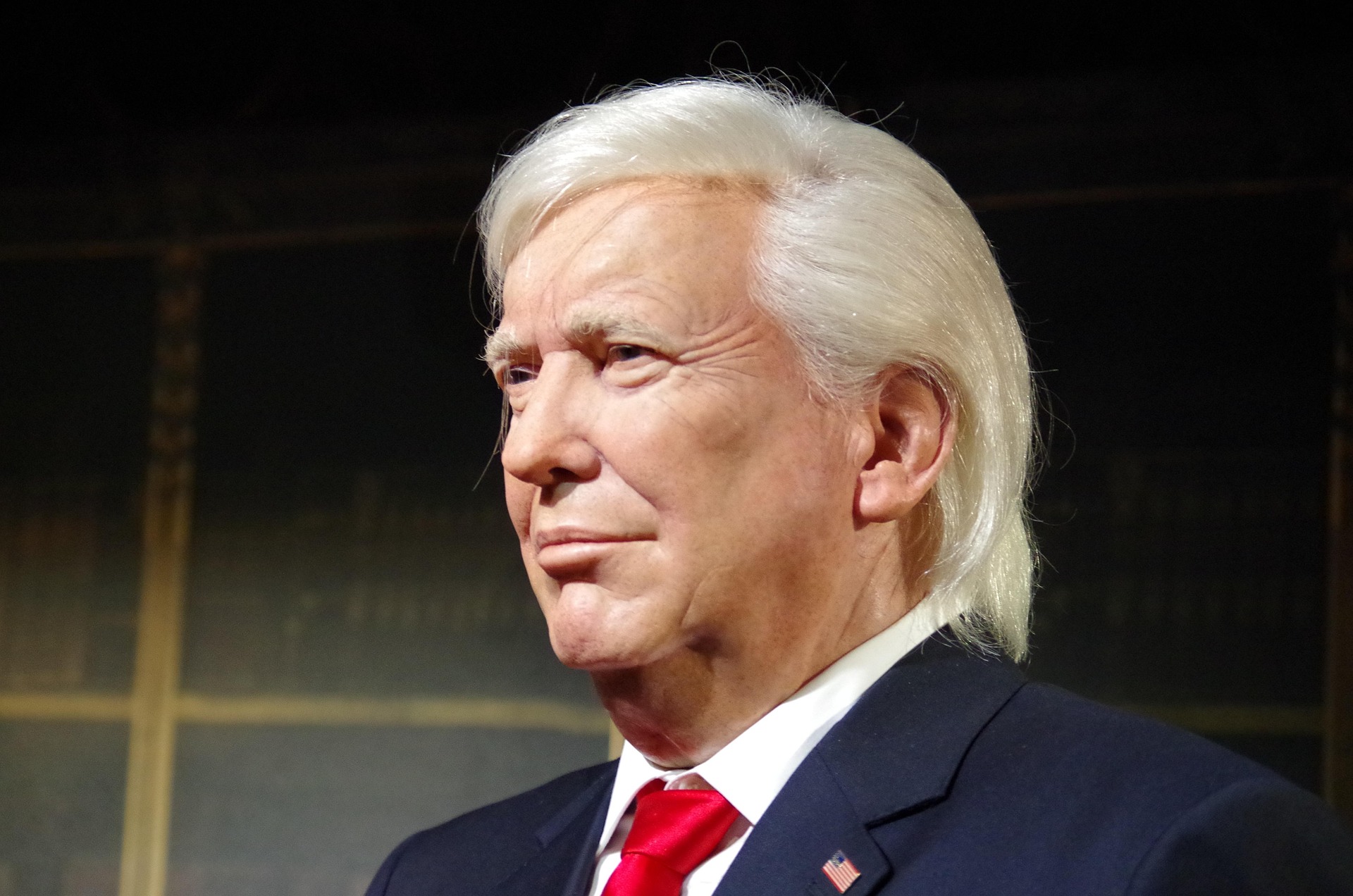
As anti-government protests continue to sweep across Iran, President Donald Trump is reviewing a range of potential responses, including both military and non-military strategies, US officials say. The unrest has already resulted in hundreds of deaths and thousands of arrests, prompting Washington to consider how to support civilians while avoiding unintended escalation.
Officials report that the president has received briefings on several plans targeting Iran’s security forces, which have been central to efforts to suppress demonstrations. While some options involve limited strikes, senior advisers have raised concerns that military action could backfire, potentially galvanizing public support for the Iranian government or provoking retaliatory attacks on American assets in the region.
Trump is also exploring measures that would pressure Iran without direct military engagement. These include cyber operations aimed at disrupting regime systems, additional sanctions targeting key individuals or economic sectors, and improved internet connectivity for civilians, potentially through satellite services, to help protesters bypass state-imposed communication restrictions. Similar connectivity support was considered during prior demonstrations in 2022.
Multiple US agencies have contributed to preparing these options, and formal briefings are expected in the coming days as Trump consults with senior national security officials.
Military Considerations and Regional Risks
While military measures are part of the discussion, none under consideration involve deploying US troops to Iranian territory. Officials emphasize that any strike would be limited and targeted, primarily focusing on infrastructure tied to Iran’s security services.
Iranian leaders have warned that any US military action would provoke direct retaliation against American bases and commercial interests. Mohammad Baqer Qalibaf, a senior Iranian parliamentary official, said Tehran would consider US military and shipping installations legitimate targets and would respond proactively if threatened.
This caution within the administration reflects the delicate balance between aiding protesters and avoiding escalation that could endanger both civilians and regional stability.
Supporting Protesters Without Direct Combat
Non-military tools remain central to Washington’s strategy. Expanding sanctions could limit the regime’s resources, while cyber operations could disrupt command structures and communications used to suppress demonstrations. Meanwhile, providing technology to improve connectivity for citizens could allow activists to organize and communicate despite government-imposed information blackouts.
Human rights groups report that over 10,000 people, including hundreds of minors, have been detained since the protests began, and nearly 500 demonstrators have been killed. These figures cannot be independently verified but highlight the urgency of the situation.
Trump has expressed public support for the protesters on social media, emphasizing that the United States stands ready to assist. “Iran is looking at FREEDOM, perhaps like never before,” he wrote, adding that the US would act if civilians were targeted, though without committing ground forces.
US allies are closely monitoring the situation. Israeli Prime Minister Benjamin Netanyahu has held consultations with Secretary of State Marco Rubio and is convening a security meeting to discuss developments in Iran and Lebanon. The Israel Defense Forces stated that, while the unrest is primarily an internal Iranian matter, they are prepared defensively and are maintaining operational readiness.
As the crisis continues, Trump’s team must weigh the potential benefits and risks of military, cyber, and economic interventions, while considering the broader impact on regional stability and the safety of Iranian civilians.

Christmas Protests Erupt in Syria Amid Rising Tensions
Protests broke out in Christian neighborhoods of Damascus after an unsettling incident in the town of Suqaylabiyah. On Monday evening, unidentified individuals set fire
Read More
Mass Protests in Israel Demand Hostage Release Amid Ongoing Gaza War
One of the largest public demonstrations since the Gaza war began nearly two years ago swept across Israel on Sunday, as hundreds of
Read More
Iran Scrambles to Avert Israeli Retaliation After Missile Strikes
Iran is urgently engaging in diplomatic efforts across the Middle East, trying to mitigate Israel’s expected response to its recent missile attack. Tehran is
Read More