Trump’s Shadow Over the Netflix–Warner Bros. Battle
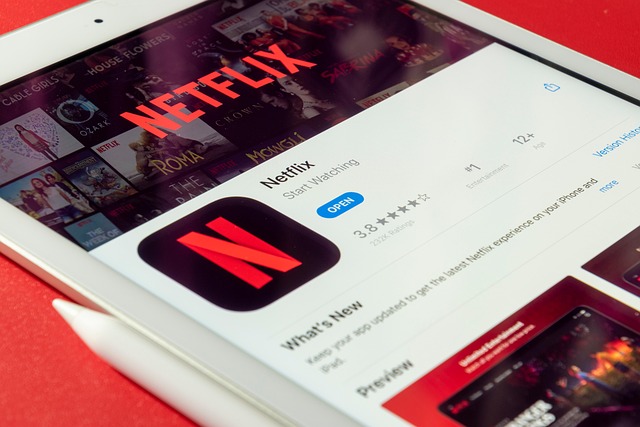
As the competition for control of Warner Bros. intensifies, a surprising wildcard has emerged at the center of the corporate chaos: President Trump. Netflix is bracing for a long antitrust review, Paramount has launched a direct bid to seize the studio, and Trump’s unpredictable commentary is adding new uncertainty to an already volatile showdown.
Trump’s Unpredictable Role in the Merger Fight
Netflix’s bid for Warner Bros. immediately placed the company under the microscope of regulators, but it was Trump’s remarks that amplified the stakes. Over the weekend, the president suggested he might play a role in evaluating the deal, raising concerns about a lengthy and politically influenced review process. Yet he also praised Netflix co-CEO Ted Sarandos, avoiding outright opposition and offering no criticism of the proposal on his social platform.
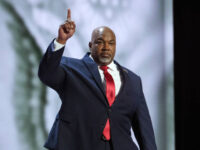
On Monday, however, Paramount’s surprise all-cash offer sent shockwaves through the industry. Moments after the announcement, Trump publicly attacked Paramount and its CEO, David Ellison, over a “60 Minutes” interview with Rep. Marjorie Taylor Greene. His comments avoided the merger itself but underscored his tendency to inject personal grievances into corporate matters.
Trying to anticipate Trump’s decisions has become a near-impossible task. Many executives have attempted to secure his favor this term, offering investment commitments in hopes of favorable regulatory outcomes. But Trump is balancing business-friendly signals with pressure from his base, which is urging the Justice Department to scrutinize Netflix.
For now, Trump maintains a neutral stance: “We’ll see what happens.”
A Break from Antitrust Norms
Trump’s involvement marks a sharp departure from long-standing traditions. Historically, the Justice Department’s antitrust division has operated independently of presidential pressure. But Trump dismantled that separation during his first term, and his current statements revive concerns about political influence.
A similar scenario unfolded in 2016 when AT&T sought to acquire Time Warner, then the parent company of HBO and CNN. Trump publicly opposed the deal, calling it an excessive concentration of power. Conservative voices—including Steve Bannon and Matt Gaetz—are now echoing the same argument against Netflix’s $72 billion bid.
During the AT&T–Time Warner review, Trump’s animosity toward CNN raised fears that the administration would use the merger process to pressure the network. Although Time Warner leaders refused to cave, the Justice Department ultimately sued to block the deal. AT&T fought the challenge in court and won, allowing the merger to proceed despite the political tension.
Those concerns feel even more pronounced today. A recent study revealed hundreds of political opponents Trump has publicly targeted since taking office again, intensifying fears that personal disputes could spill into legal decisions.
Sarandos’ Strategy and the High-Stakes Road Ahead
Netflix anticipated these challenges. After the 2024 election, Sarandos developed a personal rapport with Trump, beginning with a lengthy dinner at Mar-a-Lago and later continuing with an Oval Office meeting. Trump has spoken warmly about Sarandos, admiring his leadership while simultaneously acknowledging the antitrust concerns surrounding a potential Netflix–HBO combination.
Netflix has doubled down on its confidence, agreeing to a massive $5.8 billion breakup fee should regulators reject the deal—one of the largest in corporate history.
Ultimately, the courts—not the president—will determine whether the merger can proceed. But Trump’s commentary has already reshaped the climate surrounding the decision. His involvement may not dictate the final ruling, but it could make the path toward the biggest Hollywood merger in years significantly more difficult.
Animal Kingdom Season 5: Is Produced By John Wells Productions In Association With Warner Bros.
Consequently, in scenario you’ve been subsequent our coverage of TNT’s Animal Kingdom then you know that the cable program was rolling out mini-teasers for
Read MoreTitans Season 3: Became A Breakout Hit For Dc And Warner Bros?
Titans turned into a breakout strike by DC and Warner Bros. on its release on DC Universe back again in October 2018 and lover
Read More
This is not a drill: Shadow and Bone have officially renewed for a second season!
Shadow and Bone, the American fantasy show, has been officially been renewed for a new season and we could not be more excited! The
Read More