
Offshore Wind Expansion Reshapes Europe’s Energy Strategy
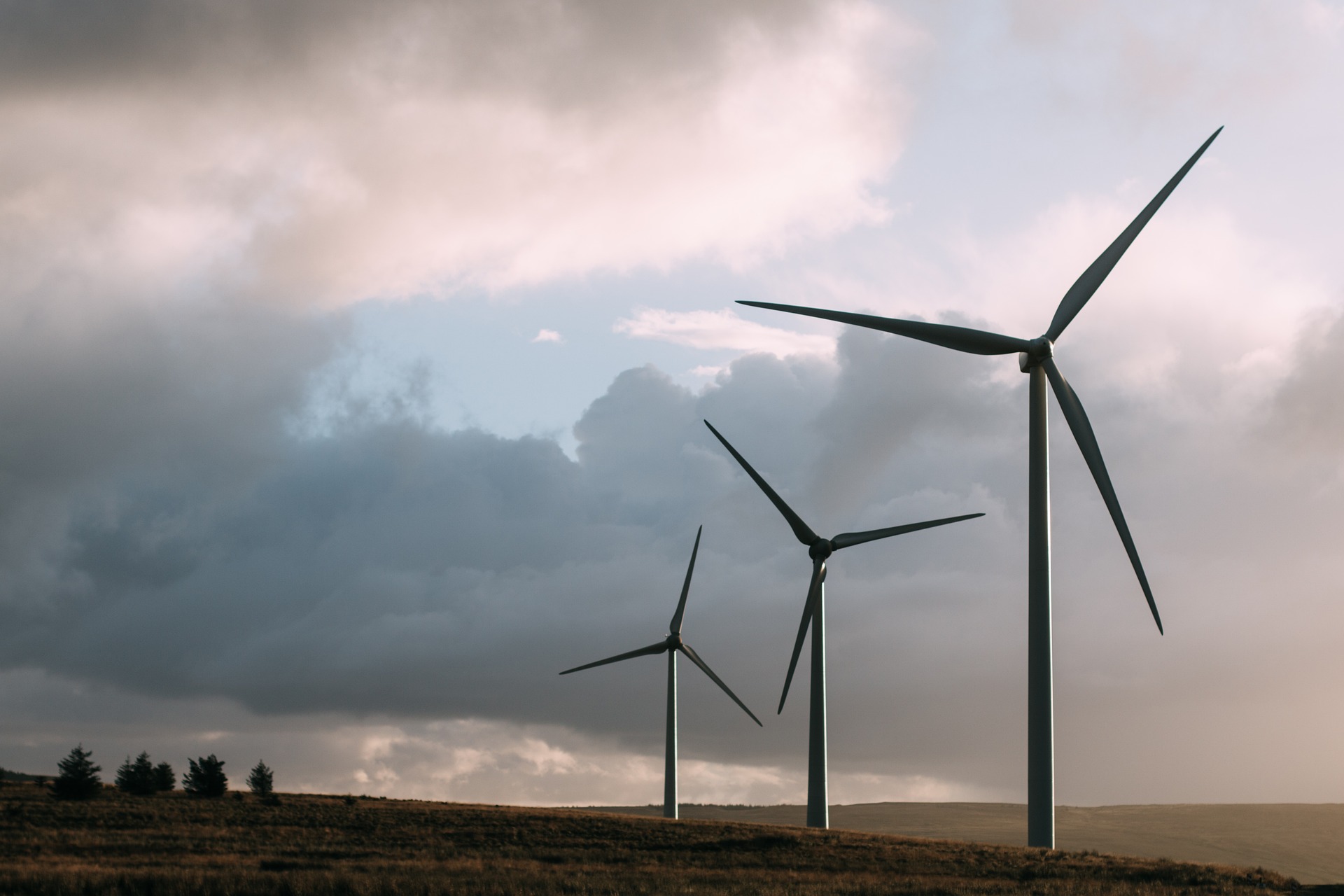
At a recent global economic forum in Davos, Donald Trump criticized wind energy and questioned countries investing in it. Yet within days, several European nations reinforced their commitment to renewable power by launching a major offshore wind collaboration in the North Sea — a region long associated with oil and gas production.
Belgium, Denmark, France, Germany, Ireland, Luxembourg, the Netherlands, Norway, and the United Kingdom jointly committed to building a vast interconnected offshore wind network. The initiative is designed to deliver approximately 100 gigawatts of electricity, enough to power tens of millions of homes. Through subsea transmission links, participating countries aim to share clean energy across borders and create a more resilient regional power system.
Energy Independence Drives Europe’s Strategy
Europe’s accelerating shift toward renewables is closely tied to energy security concerns. Domestic fossil fuel reserves across the continent are limited, and production from older oil and gas fields continues to decline. Several major gas sources have been scaled back, leaving many countries reliant on imported energy to meet demand.
This dependence became especially evident after disruptions in Russian gas supplies following the Ukraine conflict in 2022. Energy prices surged, household costs rose sharply, and governments were forced to seek alternative suppliers. Increased imports of liquefied natural gas helped stabilize supply but also exposed economies to price fluctuations in global markets.
According to Louise van Schaik of the Clingendael Institute, reliance on external energy sources creates long-term vulnerability. Expanding domestic renewable capacity is widely seen as a way to reduce geopolitical risk and strengthen economic stability.
The North Sea’s Strategic Advantage
Energy experts view the North Sea as one of the most favorable locations worldwide for offshore wind generation. Strong, consistent wind patterns combined with relatively shallow waters make turbine installation both efficient and productive. By linking multiple national grids, policymakers aim to balance electricity supply across the region and reduce dependence on imported fuels.
Thijs Van de Graaf of Ghent University notes that wind and solar power are no longer emerging alternatives but central components of Europe’s energy infrastructure. Their growing share in electricity production reflects a structural shift toward cleaner and more locally controlled power sources.
Renewables Reshape Economic and Political Priorities
The expansion of offshore wind is not driven solely by environmental goals. Policymakers increasingly view renewable energy as a financial and strategic investment. Jennifer Morgan, a former German climate envoy, has emphasized that falling operational costs and technological advances are transforming how governments assess long-term energy planning.
While the renewable sector still faces challenges — including supply chain pressures and investment uncertainty — Europe’s coordinated offshore wind initiative signals a decisive policy direction. Clean energy is now closely linked to economic resilience, price stability, and geopolitical independence.
As global energy markets evolve, Europe’s approach illustrates a broader transformation. Renewable power is emerging not just as a climate solution but as a cornerstone of national security and long-term economic strategy.
India’s Clean Energy Surge Challenges China’s Lead
A major shift is unfolding across India’s transport system as electric three-wheelers become increasingly common in both urban and rural areas. These vehicles
Read More
One of Europe’s busiest cities could soon ban all cars
With air quality high on the agenda for many countries, one Italian city could soon ban all cars. Milan is one of the world’s
Read More
Report finds a sharp rise in heat-related health deaths in Europe
According to a joint report by the EU’s Copernicus Climate Change Service (C3S) and the UN’s World Meteorological Organisation (WMO) published this week, climate
Read More