India’s Fast Clean Energy Rise Narrows Gap with China
A major shift is unfolding across India’s transport system as electric three-wheelers become increasingly common in both urban and rural areas. These vehicles are widely used for short-distance travel and are gaining popularity because they reduce fuel costs and maintenance expenses. For many drivers, the transition is a financial decision first, with environmental benefits coming as an added advantage. The growth of electric mobility reflects a broader transformation in how transportation energy is consumed, with affordability acting as the key catalyst behind adoption.
Solar Power Expands Rapidly
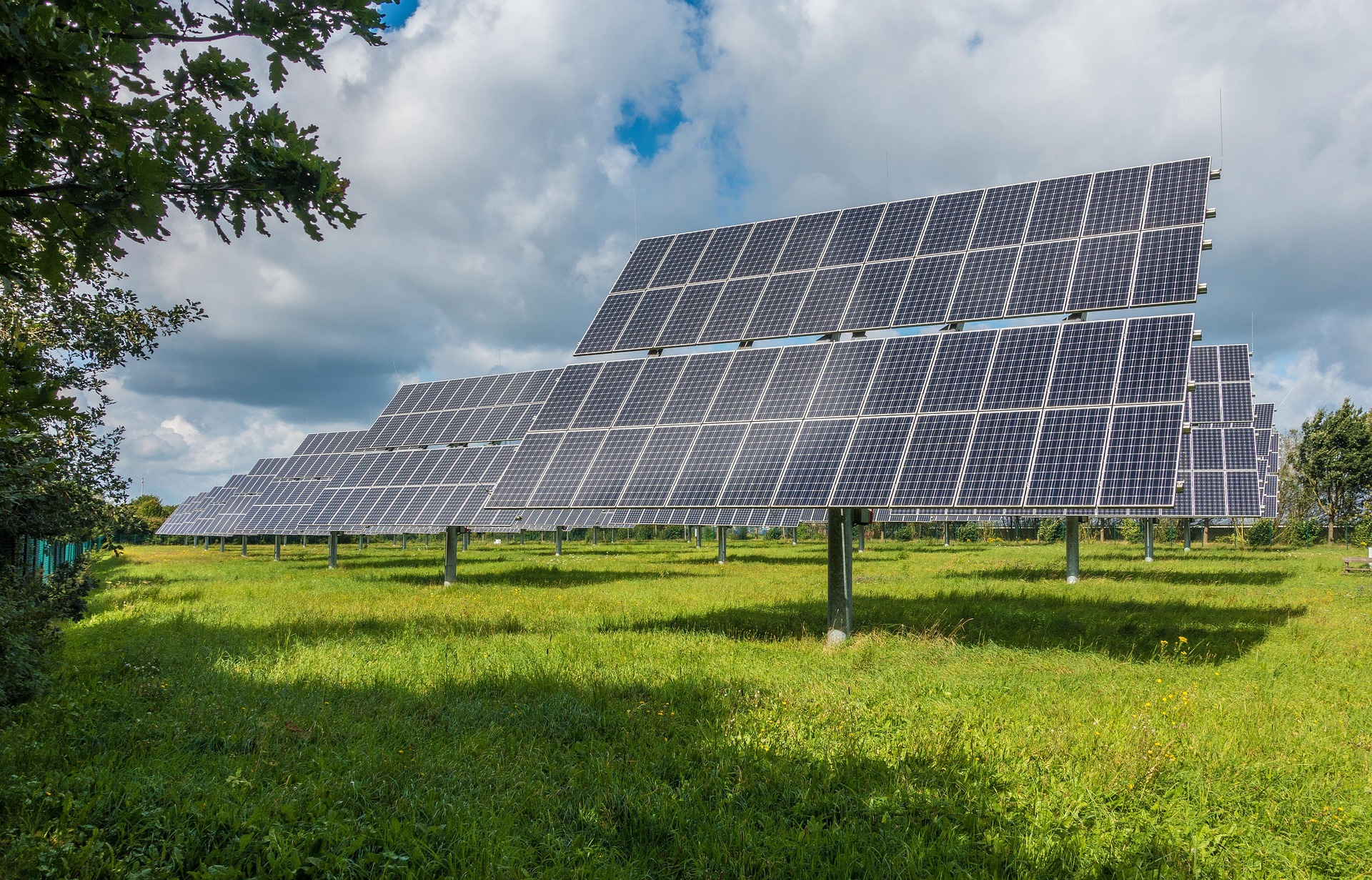
India’s electricity generation is being reshaped by the swift expansion of solar energy. Large-scale solar installations and rooftop systems are contributing a growing share of the country’s power supply. Declining costs of solar panels and battery storage have made renewable electricity increasingly competitive with traditional fossil fuel sources. While coal continues to play a role in meeting rising demand, the speed at which renewable capacity is expanding signals a structural change in the nation’s energy mix. This approach places India on a distinct development path compared with earlier industrial growth models that depended heavily on fossil fuels.
Energy Independence Drives Policy
Reducing reliance on imported fuel has become a central motivation behind India’s clean energy push. Heavy dependence on foreign oil and gas exposes the country to global price volatility and geopolitical risks. Expanding domestic renewable energy production strengthens energy security while supporting long-term economic resilience. Investments in local manufacturing for solar technology and energy infrastructure are intended to build stronger supply chains and reduce external dependency.
India’s evolving strategy holds wider significance for emerging economies seeking sustainable growth. By integrating renewable power and electrified transport earlier in its development trajectory, the country demonstrates how economic expansion and cleaner energy adoption can progress simultaneously. Although challenges such as infrastructure development and continued fossil fuel use remain, the pace of change suggests a long-term shift toward a more electrified and resilient energy system.

Russia Strikes Ukraine’s Energy Sector, Triggers Emergency Power Cuts
Russia has launched a large-scale assault on Ukraine’s energy infrastructure, leading to emergency power outages across the country, Ukrainian officials reported on Friday.
Read More
Report finds a sharp rise in heat-related health deaths in Europe
According to a joint report by the EU’s Copernicus Climate Change Service (C3S) and the UN’s World Meteorological Organisation (WMO) published this week, climate
Read More
Average credit cards rates predicted to rise to 19%
Carrying credit card balances can be expensive. Personal finance experts say that it’s one of the biggest obstacles to building wealth. It can make
Read More