
Iran Conflict Escalates as Trump Pushes for New Strategy
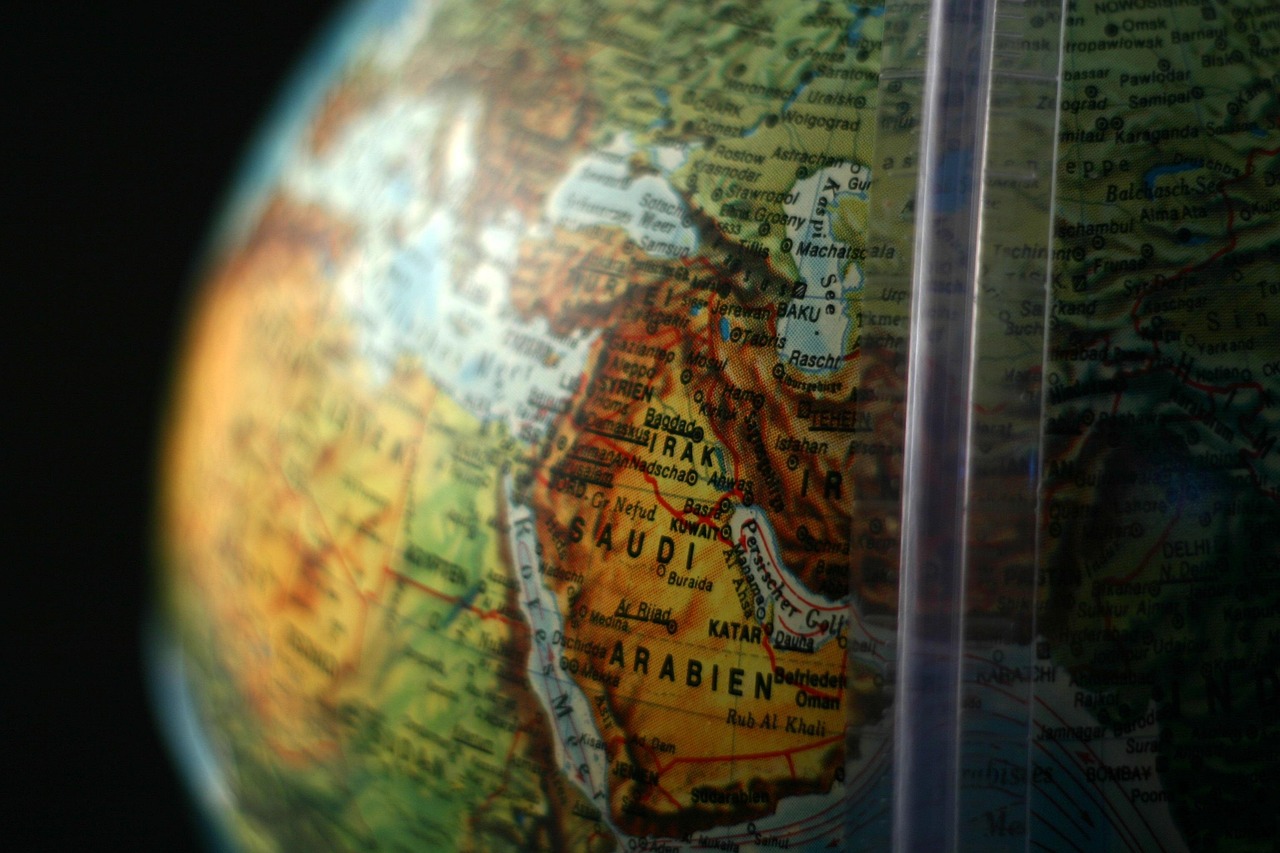
Tensions between the United States and Iran continue to draw global attention as military actions, diplomatic efforts, and regional security concerns shape the ongoing crisis. The confrontation has increased uncertainty across the Middle East, with world leaders watching closely for signs of further escalation or possible negotiations.
The latest developments come after a period of rising tensions between Washington and Tehran, involving military responses, political statements, and efforts by international partners to reduce instability. Analysts say the situation remains unpredictable as both sides balance pressure with diplomatic options.
Rising Tensions Between Washington and Tehran
Relations between the United States and Iran have remained strained for years due to disagreements over security issues, regional influence, and Iran’s nuclear activities. Recent clashes and political disputes have increased concerns about a wider conflict that could affect neighboring countries and global markets.
U.S. officials have continued emphasizing security concerns, while Iranian leaders have criticized American actions and defended their own positions. The exchange of threats has increased fears that further military incidents could make negotiations more difficult.
The situation has also affected important regional areas, including the Strait of Hormuz, a major route for global energy shipments. Any disruption in the region could have economic consequences beyond the Middle East.
Diplomatic Efforts Continue Amid Uncertainty
Despite growing tensions, diplomatic channels remain active. Several countries have attempted to encourage discussions between the United States and Iran, hoping to prevent additional military escalation.
International observers say negotiations could be challenging because both sides have competing demands and concerns. While some officials have expressed interest in continued talks, disagreements over sanctions, security guarantees, and regional policies remain major obstacles.
Experts believe that communication between governments is essential to avoiding further conflict. They note that even limited agreements could help reduce risks and create opportunities for broader discussions.
Global Impact of the Conflict
The Iran crisis has raised concerns about energy markets, regional stability, and international security. Countries across Europe, Asia, and the Middle East are monitoring developments because any major escalation could affect trade routes and fuel supplies.
Beyond economic concerns, humanitarian organizations have warned about the potential impact of prolonged conflict on civilians. Previous regional conflicts have shown that military confrontations can create challenges related to displacement, infrastructure damage, and access to essential services.
As the situation develops, governments and international organizations continue calling for restraint and diplomatic solutions. While the future remains uncertain, many experts agree that reducing tensions through negotiations will be critical for preventing a larger regional crisis.
The coming weeks are expected to play an important role in determining whether the conflict moves toward further escalation or renewed diplomatic engagement.

Offshore Wind Expansion Reshapes Europe’s Energy Strategy
At a recent global economic forum in Davos, Donald Trump criticized wind energy and questioned countries investing in it. Yet within days, several European
Read More
Markets Surge and Oil Tumbles as Trump Hits Pause on Iran Strikes
A single social media post from President Donald Trump was enough to send financial markets into a sharp reversal on Monday, erasing days
Read More
The Trump Iran Deal & America’s Political Divide
Few topics in modern American foreign policy generate as much heat as the Trump Iran deal. Whether you support it or oppose it,
Read More