
Military Compensation Reports Spark Ethical Debate in Russia
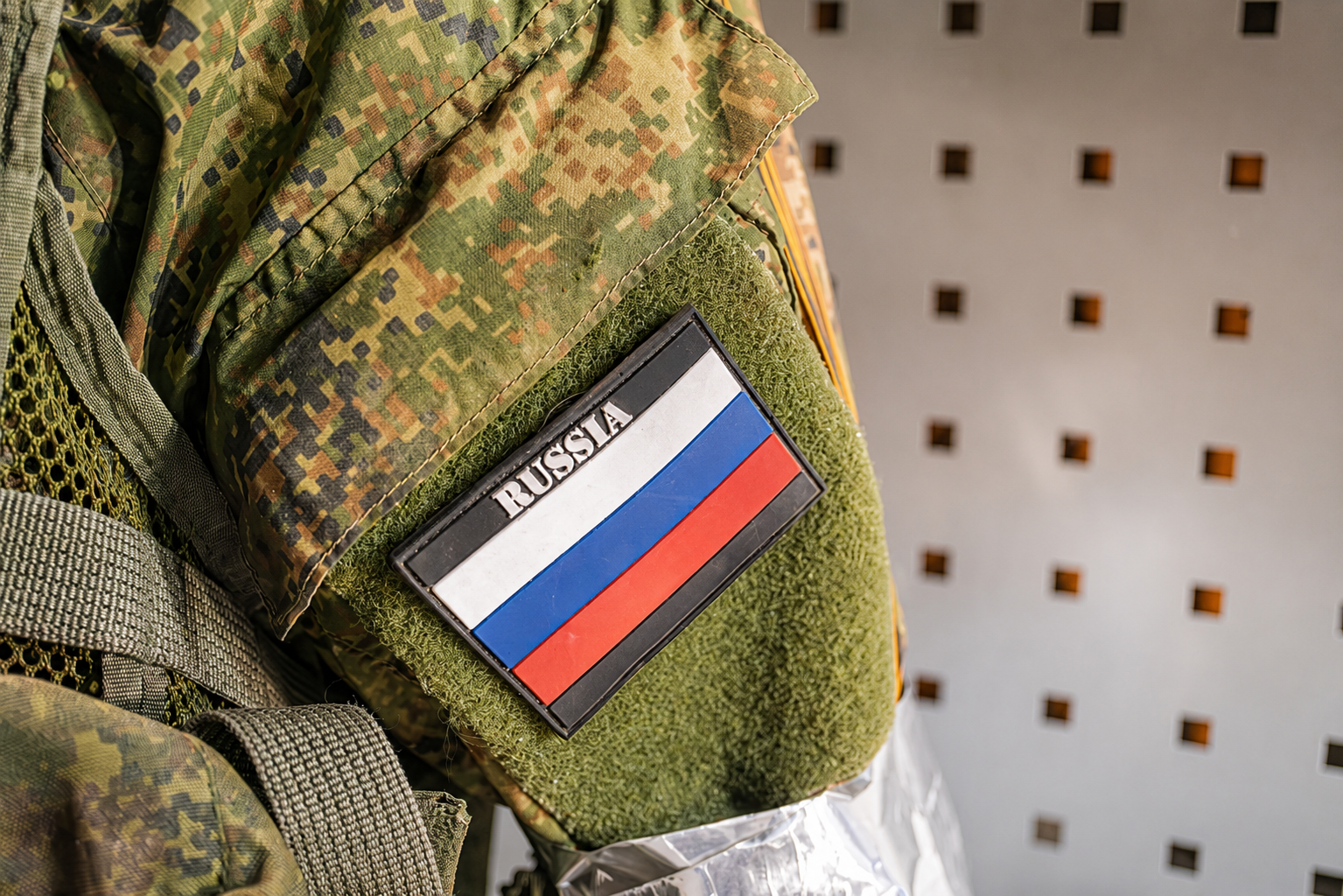
Amid Russia’s continued military mobilization efforts linked to the war in Ukraine, reports have raised concerns about women allegedly entering brief marriages with military recruits in order to become eligible for compensation if their spouses die while serving. The claims have triggered public discussion about the effects of wartime financial policies and how economic incentives can influence personal choices.
Social researchers say the situation reflects wider challenges faced by communities experiencing prolonged conflict. Financial uncertainty, limited opportunities, and pressure caused by economic instability can sometimes shape decisions involving relationships and family life. Although such cases are believed to represent only a small portion of military marriages, they have drawn attention because they reveal the complicated connection between government benefits, financial security, and legal marriage.
Military Compensation Raises Questions
Under Russian regulations, families of service members who die during military operations may receive financial assistance from the government. These payments are intended to provide support to surviving spouses and relatives after the loss of a family member.
However, reports of marriages taking place shortly before deployment have led to questions about whether financial benefits may be influencing some relationships. Legal specialists point out that entering a marriage before deployment is not automatically unlawful, and each situation must be assessed individually.
Authorities can investigate cases where there are indications that government assistance programs may be misused or that marriages were arranged primarily to obtain financial benefits.
Economic Uncertainty Shapes Wartime Choices
Experts in sociology and economics suggest that extended conflicts can create conditions where financial concerns become a major factor in personal decisions. Rising expenses, employment difficulties, and uncertainty about the future can affect how individuals approach relationships and financial planning.
Researchers warn against judging all military marriages based on isolated reports. Many relationships involving service members are genuine and formed for personal reasons rather than financial gain.
Still, specialists say wartime environments often create unusual social conditions that can influence family structures, employment decisions, and personal priorities.
Officials Review Benefit Protection Measures
Government compensation systems are intended to provide essential assistance to families who lose relatives in military service. As public discussion continues, experts suggest that authorities may increase monitoring efforts to ensure funds are distributed fairly and reach those who truly qualify.
Many countries use legal checks, documentation requirements, and review processes to prevent fraudulent claims while ensuring legitimate beneficiaries receive support.
Maintaining trust in these programs requires finding a balance between providing timely assistance to affected families and preventing potential exploitation of public funds.
Effects Beyond Financial Concerns
The reports have also renewed conversations about the broader human impact of prolonged conflicts. Military families often face emotional stress, financial challenges, and difficult decisions about their future.
Social policy experts and humanitarian groups emphasize the importance of expanding support systems for military households, including mental health resources, career assistance, and financial guidance.
They argue that stronger social protections can help reduce situations where economic hardship becomes a driving force behind major personal decisions.
The Continuing Debate
As the war continues, discussions about military benefits, family support programs, and government oversight are likely to remain significant. Policymakers may evaluate existing compensation systems to ensure they continue meeting their goals while preventing possible abuse.
The controversy surrounding reported wartime marriages highlights how conflicts can create complex social consequences far beyond the battlefield. It also demonstrates the challenges governments face when financial support programs intersect with personal relationships during periods of crisis.

North Korean Troops Face Heavy Casualties in Kursk Battles, Ukraine Reports
Ukraine claims that North Korean soldiers fighting alongside Russian forces in Russia’s Kursk region suffered significant casualties during intense weekend clashes. According to
Read More
Solar-Powered Cars Spark Tunisia’s Green Mobility Revolution
Africa’s electric vehicle (EV) industry is entering a transformative era, expected to hit a market value of $4.2 billion by 2030, according to Mordor
Read More
Minneapolis Protests Intensify as Trump Hints at Military Response
Minneapolis faced another tense night as protests continued following a second shooting involving a federal immigration officer within a single week. Public anger
Read More