
Gaza Peace Efforts Hit Roadblock Over Hamas Disarmament

Efforts to establish a lasting political settlement in Gaza have encountered another obstacle after Israeli Prime Minister Benjamin Netanyahu rejected important elements of a US-backed proposal.
Netanyahu has indicated that Israel is unwilling to proceed with the plan in its current form, particularly over provisions connected to the withdrawal of Israeli forces. His government continues to argue that Hamas must give up its military capabilities before Israel can make a full withdrawal from Gaza.
The disagreement places additional pressure on diplomatic efforts designed to move the conflict beyond the current fighting and toward a longer-term political arrangement.
Disarmament Remains the Central Dispute
The question of Hamas’ weapons has emerged as one of the most difficult issues in negotiations.
Israel wants Hamas to be completely disarmed and has made the removal of the group’s military capabilities a fundamental security requirement. Israeli officials have argued that withdrawing troops without first eliminating Hamas’ ability to fight could create new security risks.
The proposed US framework, however, envisions a phased process. Hamas would be expected to surrender its weapons while Israeli forces would gradually move away from parts of Gaza. An international force could also play a role in maintaining security and supporting the transition.
Hamas has expressed interest in aspects of the proposal but has continued to demand an end to Israeli military operations and a withdrawal of Israeli troops. These conflicting requirements have made it difficult for negotiators to establish an agreed sequence of events.
Trump Faces a Difficult Diplomatic Challenge
The dispute also presents a challenge for President Donald Trump, whose administration has been pushing for progress toward ending the Gaza conflict.
A major hurdle is finding a formula that satisfies Israel’s security demands while also securing Hamas’ agreement to surrender its weapons and accept a new political and security arrangement.
Netanyahu is additionally facing pressure from within Israel. Hard-line members of his governing coalition have opposed proposals involving an Israeli withdrawal and have called for Hamas to be dismantled rather than incorporated into any future arrangement.
This domestic pressure could make it more difficult for Netanyahu to accept compromises during negotiations.
Peace Plan Still Faces an Uncertain Future
Despite the disagreements, diplomatic discussions are expected to continue. Netanyahu has indicated that Israel is prepared to keep communicating with Washington about the proposal while seeking changes to provisions it considers unacceptable.
Any lasting agreement would need to resolve several complicated questions, including Hamas’ disarmament, Israeli troop movements, Gaza’s future administration and the possible deployment of an international security force.
For residents of Gaza, the outcome could have major humanitarian and political consequences. For Israel, the central concern remains preventing Hamas from rebuilding its military capabilities.
The latest dispute demonstrates how difficult it will be to transform a broad peace proposal into an agreement accepted by all parties. Until the sides reach common ground on security and disarmament, the path toward a lasting settlement in Gaza remains uncertain.

Trump Faces Challenges in Ukraine Peace Efforts
As his presidency crosses the 100-day mark, Donald Trump faces mounting frustration over the stalled Ukraine-Russia peace process. Despite confident claims early in his
Read More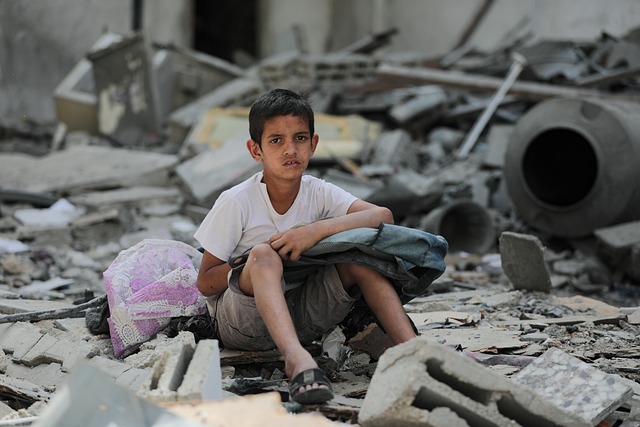
Israel Doubts Hamas Can Return All Hostage Remains Amid Ongoing Gaza Talks
Israel’s ongoing negotiations to end the war in Gaza face new complications as intelligence assessments suggest that Hamas may not be able to
Read More
Hamas Responds Positively to Gaza Ceasefire Proposal
In a significant step toward ending months of war in Gaza, Hamas announced on Friday that it had delivered a “positive response” to
Read More