
China Blocks Meta’s $2B AI Deal with Manus
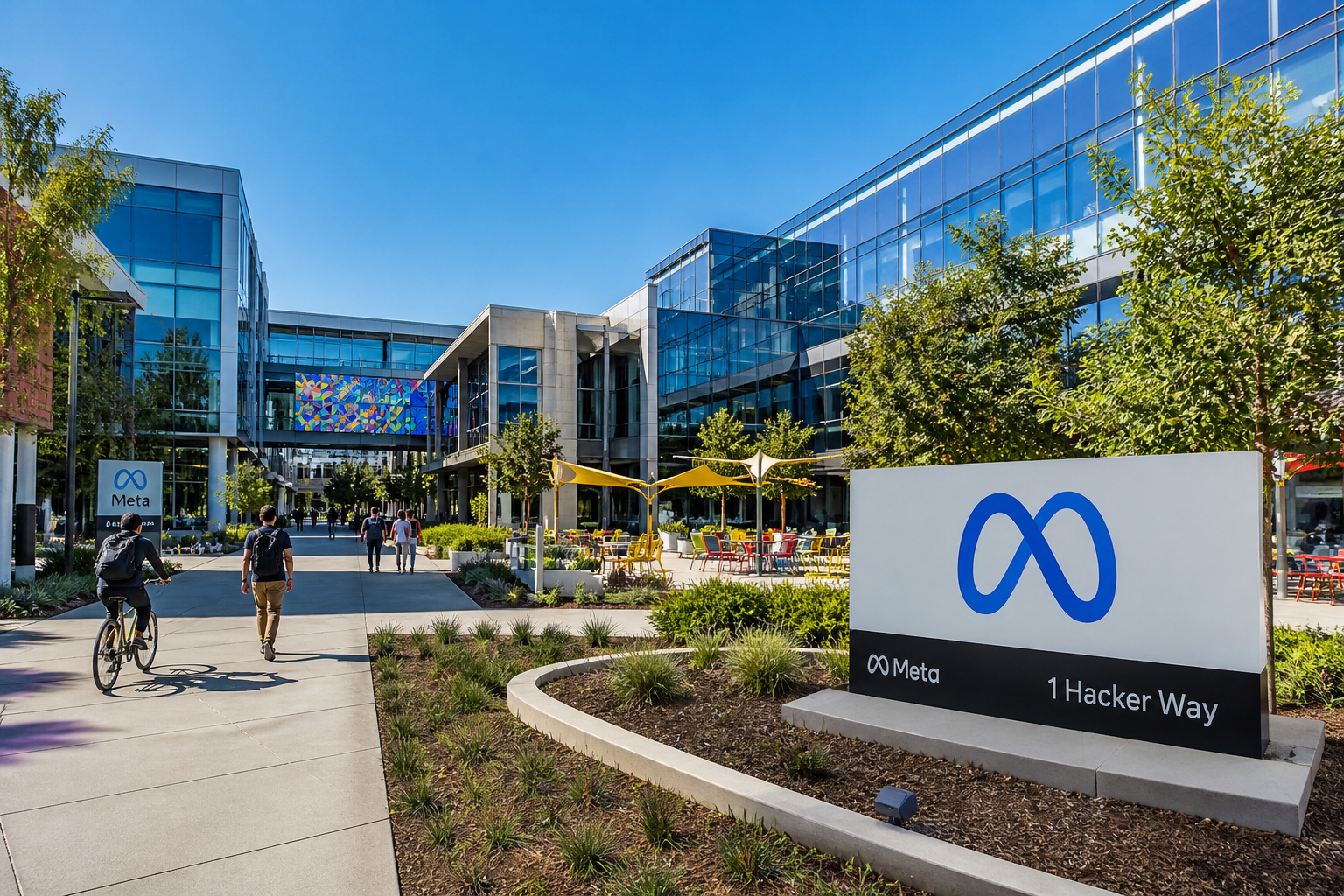
China has intervened to stop Meta’s planned $2 billion acquisition of Manus, a Chinese-founded artificial intelligence startup, signaling growing concern over the transfer of sensitive technology to the United States. The country’s top economic planning authority issued a directive requiring both companies to reverse the deal after completing an investigation launched earlier this year.
This decision reflects Beijing’s increasing caution in allowing domestic innovations—especially in high-stakes sectors like artificial intelligence—to fall under foreign control. As global competition in advanced technologies intensifies, China appears determined to retain its technological edge and prevent strategic assets from being absorbed by overseas corporations.
The timing is particularly notable, coming just ahead of a high-level meeting between US President Donald Trump and Chinese President Xi Jinping. With trade disputes and technology restrictions already straining relations, the blocked deal adds another layer of complexity to ongoing negotiations between the two economic powers.
Impact on Global Tech and Investment Climate
China’s move highlights a widening divide in global technology development, as geopolitical tensions reshape the rules of cross-border collaboration. Artificial intelligence, along with semiconductors, has become a central battleground in the competition between the US and China, making deals like this increasingly difficult to complete.
For international investors and startups, the decision sends a clear message: cross-border acquisitions in critical tech sectors will face intense scrutiny. This could discourage similar deals in the future, particularly those involving companies with strong ties to China.
However, reversing the acquisition may not be straightforward. After announcing the deal late last year, Meta had already begun integrating Manus into its operations. Some of the startup’s leadership team had also joined Meta, further complicating efforts to fully unwind the transaction.
For Meta, the setback represents more than just a financial loss. The company has been aggressively expanding its AI capabilities to compete with major industry players, and acquiring Manus was seen as a strategic step toward strengthening its position in the rapidly evolving AI race.
Backlash and Uncertainty Around Manus
Manus first gained attention for developing an advanced AI agent capable of performing tasks autonomously on behalf of users. Its success was widely celebrated in China as a sign of the country’s growing strength in cutting-edge technology.
However, public perception shifted when the company relocated much of its operations to Singapore and later agreed to be acquired by an American firm. Critics within China viewed the move as a betrayal, accusing the company of prioritizing foreign interests over national innovation.
In response to the deal, Chinese authorities acted quickly, launching an investigation earlier this year. The swift intervention suggests a broader effort to discourage domestic startups from seeking foreign acquisitions, especially in sensitive industries.
Reports have also indicated that key figures associated with Manus are facing restrictions during the investigation, though officials have not clarified the full scope of their actions.
Analysts warn that while China’s strict approach may protect domestic technology, it could also have unintended consequences. Entrepreneurs with global ambitions may become hesitant to build companies within China, opting instead to establish businesses abroad to avoid regulatory challenges.
As the situation unfolds, the future of Manus—and similar startups—remains uncertain. What is clear, however, is that the intersection of technology and geopolitics is becoming increasingly complex, with decisions like this shaping the direction of innovation worldwide.

TikTok Ownership Structure Revealed in US-China Deal Framework
A comprehensive framework for TikTok’s future ownership has emerged from recent negotiations between American and Chinese representatives, revealing the structure of what could
Read More
Meta sued by content moderators for psychological trauma caused by exposure to violent and graphic content
Over 20% of the people employed by CCC Barcelona Digital Services, a company contracted by Meta to monitor content on Facebook and Instagram, are
Read More
Meta Faces $840 Million EU Fine Over Facebook Marketplace Practices
The European Union has imposed a €798 million ($840 million) fine on Meta Platforms, citing antitrust violations linked to its integration of Facebook
Read More