
Iran–US Negotiations Collapse as Disputes Deepen and Tensions Rise
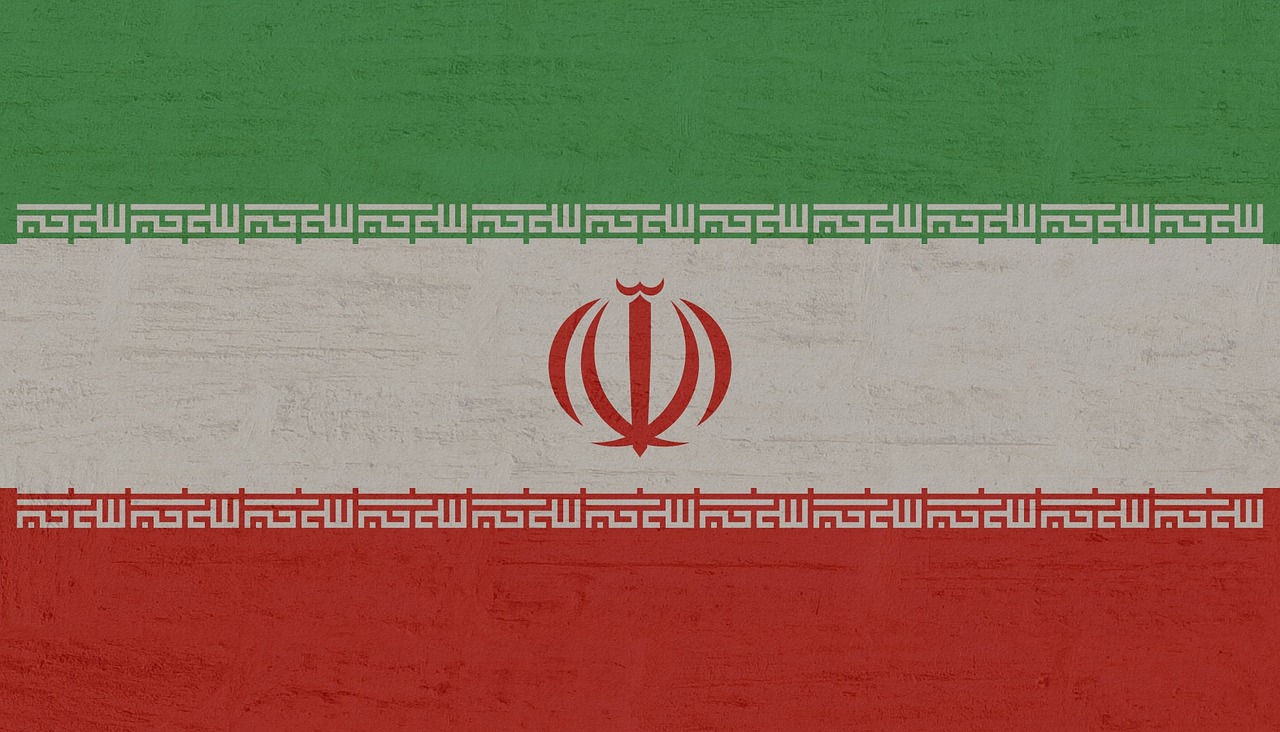
Diplomatic attempts to end the ongoing conflict between Iran and the United States have hit a major setback after Tehran delivered a response that was quickly rejected by Washington. The US had been awaiting Iran’s counterproposal to a framework aimed at resolving the war, but officials described the outcome as far from acceptable.
While full details of the discussions remain undisclosed, reports indicate that Iran’s position included calls for a full cessation of hostilities, recognition of its authority over the Strait of Hormuz, and the removal of international sanctions.
The response was firmly dismissed by US leadership, reflecting deep frustration over what they see as an unwillingness to meet core conditions for peace.
Sharp Divide Over Negotiation Goals
At the center of the stalled talks is a significant gap in priorities between the two governments. The United States is pushing for quick and concrete limitations on Iran’s nuclear capabilities, while Iran is focused on securing economic relief and formal assurances before making major concessions.
Iran has proposed a step-by-step negotiation plan. This would begin with ending active conflict and easing sanctions, while delaying nuclear-related commitments to later stages. US officials, however, are seeking immediate and enforceable restrictions, including long-term limits on nuclear activity and control over enriched materials.
Experts describe the situation as a deadlock, with neither side showing readiness to adjust its core demands. Both governments remain skeptical of each other’s intentions, which continues to slow progress.
Continued Regional Instability Adds Pressure
Outside the negotiating table, tensions in the region remain high. Despite earlier ceasefire efforts, renewed incidents in strategic maritime areas have raised fears that the conflict could intensify again.
The Strait of Hormuz, a vital global shipping corridor, has seen continued friction, with both sides accusing the other of aggressive actions. These developments have further complicated diplomatic efforts already under strain.
Iranian officials argue that their approach is aimed at protecting national sovereignty and ensuring long-term security guarantees. They have also suggested involving major international players, including China, as neutral guarantors in any potential agreement.
The United States continues to emphasize the need for a clear, verifiable deal that limits Iran’s military and nuclear capabilities while preventing future escalation.
Uncertain Path Forward for Diplomacy
As discussions remain stalled, both sides continue to present opposing interpretations of the situation. Iranian leaders insist their demands are justified, while US officials claim Tehran is intentionally slowing negotiations to gain leverage.
With no compromise in sight, the diplomatic process appears increasingly fragile. The lack of trust between both nations, combined with ongoing regional tensions, has made progress difficult.
Unless significant changes occur in either position, analysts warn that the deadlock is likely to continue, leaving the conflict unresolved and tensions elevated.

Report finds a sharp rise in heat-related health deaths in Europe
According to a joint report by the EU’s Copernicus Climate Change Service (C3S) and the UN’s World Meteorological Organisation (WMO) published this week, climate
Read More
Should banking customers be concerned about the collapse of SVB?
After the recent collapse of Silicon Valley Bank, a lot of people are asking the question: how safe are banks? SVB has faced difficulties
Read More
Swiss Glacier Collapse Devastates Alpine Village of Blatten
A massive landslide triggered by a glacier collapse in the Swiss Alps buried much of the village of Blatten on Wednesday, according to
Read More