Can Tesla Turn the Flying Car Dream Into a Reality?
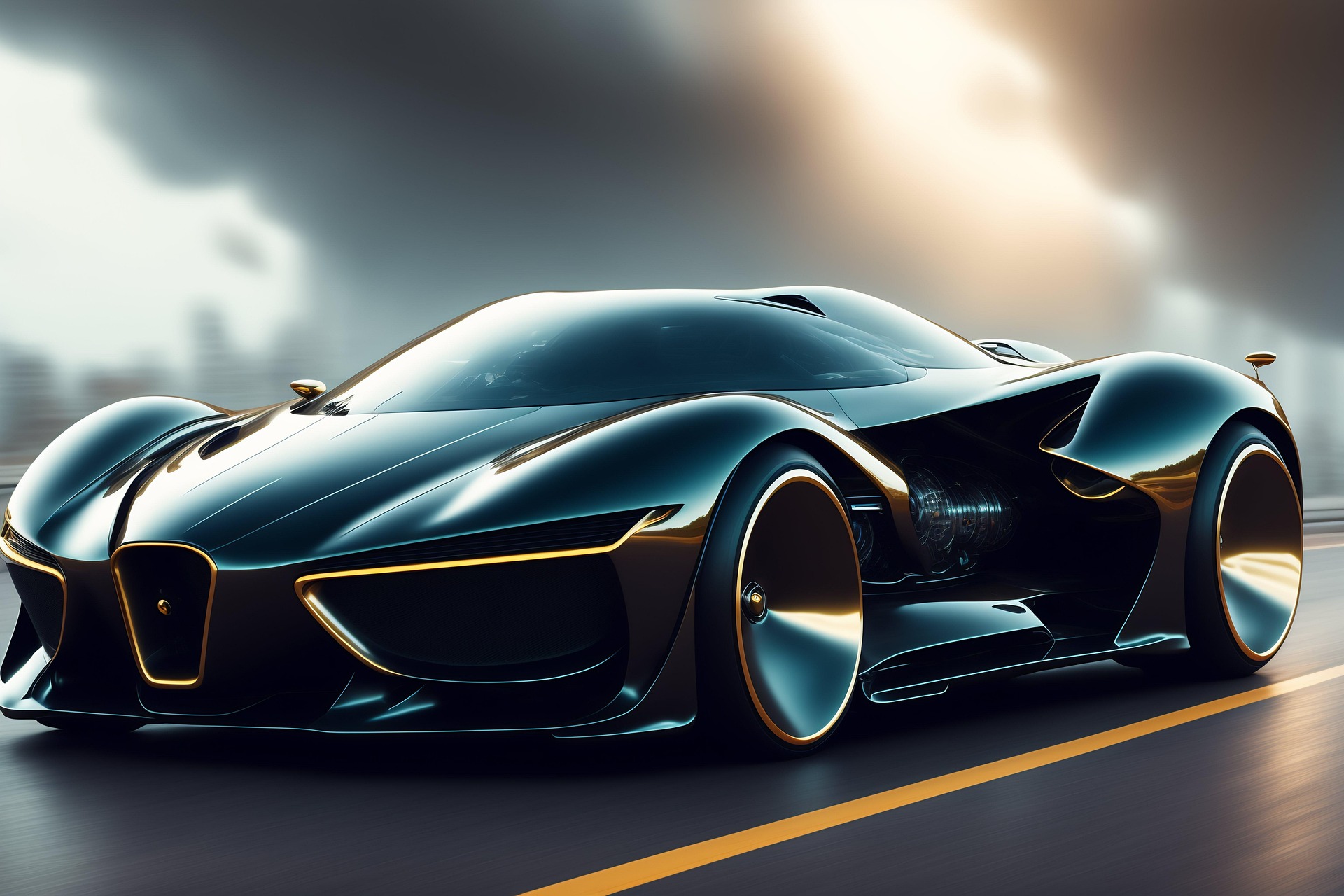
For decades, flying cars have appeared in science fiction as a possible solution to crowded roads and long commutes. Tesla CEO Elon Musk has now presented an experimental Roadster that appears to bring part of that vision to life. The vehicle performed several airborne stunts during a demonstration in Texas, although it has not yet proved that it can function as a practical flying car.
The event has generated interest in Tesla’s engineering ambitions while raising questions about safety, technical feasibility and how soon the technology could become available.
A Sports Car With Rocket-Inspired Technology
Tesla unveiled the experimental Roadster at a SpaceX facility in Texas on October 15, 2026. During the presentation, the vehicle climbed a specially designed ramp, left the surface, rotated in midair and returned to the ground on its wheels.
The Tesla Roadster flying car concept also featured a demonstration in which the vehicle jumped over several parked cars. The movements were powered by a system that Musk described as using 10 nozzles and ultra-high-pressure air tanks.
Tesla presented the technology as a result of collaboration between its automotive expertise and SpaceX’s experience with rocket engineering. The car did not have a person inside during the demonstration, allowing the experimental maneuvers to take place without exposing a driver to the immediate risk.
Despite the dramatic footage, the event did not demonstrate conventional flight over a meaningful distance.
What Makes a Flying Car Difficult to Build?
A vehicle capable of both road travel and flight must satisfy two different sets of engineering demands. Cars need durable structures, braking systems and crash protection, while aircraft must generate enough lift to remain airborne safely.
Additional weight can make flight more difficult. Batteries, body panels, passenger protection and other automotive components all add mass that an aircraft must account for.
Engineers must also develop reliable controls for takeoff, movement through the air and landing. A vehicle that performs a short jump in a controlled setting has not necessarily demonstrated that it can manage these tasks during everyday transportation.
These challenges help explain why practical flying cars remain difficult to commercialize despite advances in electric propulsion and compact aircraft design.
The Difference Between Hopping and Flying
The distinction between brief airborne stunts and sustained flight is central to evaluating Tesla’s demonstration. The Roadster appeared to leave the ground for short periods, but the event did not establish how far it could travel through the air or how long it could remain airborne.
A useful flying vehicle would need to operate predictably, maintain stability and provide a safe way to transition between road and air travel. It would also need to satisfy the relevant safety and regulatory requirements.
Until Tesla provides more detailed technical information and conducts further testing, the full capabilities of the prototype remain uncertain.
Production Plans Still Need to Be Proven
Musk has said that Tesla intends to begin production in 2028. However, the announcement does not guarantee that the final vehicle will enter production on schedule or retain all the capabilities shown during the demonstration.
The company has previously delayed several ambitious product timelines. Prospective buyers will therefore need further details about the production model, expected price, operating requirements and approvals.
The cost of maintaining such a complex system could also influence whether the vehicle becomes practical for ordinary consumers.
What This Means for the Future of Mobility
Tesla’s demonstration highlights the continuing interest in combining road transportation with aviation technology. Even if the Roadster’s airborne capabilities remain limited, the project could contribute to wider discussions about propulsion, vehicle design and alternative transportation.
For now, the Tesla Roadster flying car remains an experimental concept whose practical value has yet to be established. Its future will depend on whether Tesla can move beyond impressive stunts and demonstrate a vehicle that is safe, reliable and suitable for real-world use.
Batwoman Season 2: Leslie Will Get To Turn Up Elsewhere In The Franchise.
Batwoman carries on to plummet Tougher in the scores In contrast to the Joker into a vat of substances. The CW DC series was
Read More
Samsung Unveils Advanced Mixed Reality Headset to Challenge Apple’s Dominance
Imagine exploring a distant city through Google Maps, but instead of viewing it on a flat screen, you’re immersed within the map itself.
Read More
Used car prices continue to fall with EVs most affected
According to an analysis by iSeeCars.com, the price of used vehicles has declined from between 2% to 7% over the past year, with the
Read More