
Australia Restricts Social Media Access for Under-16s
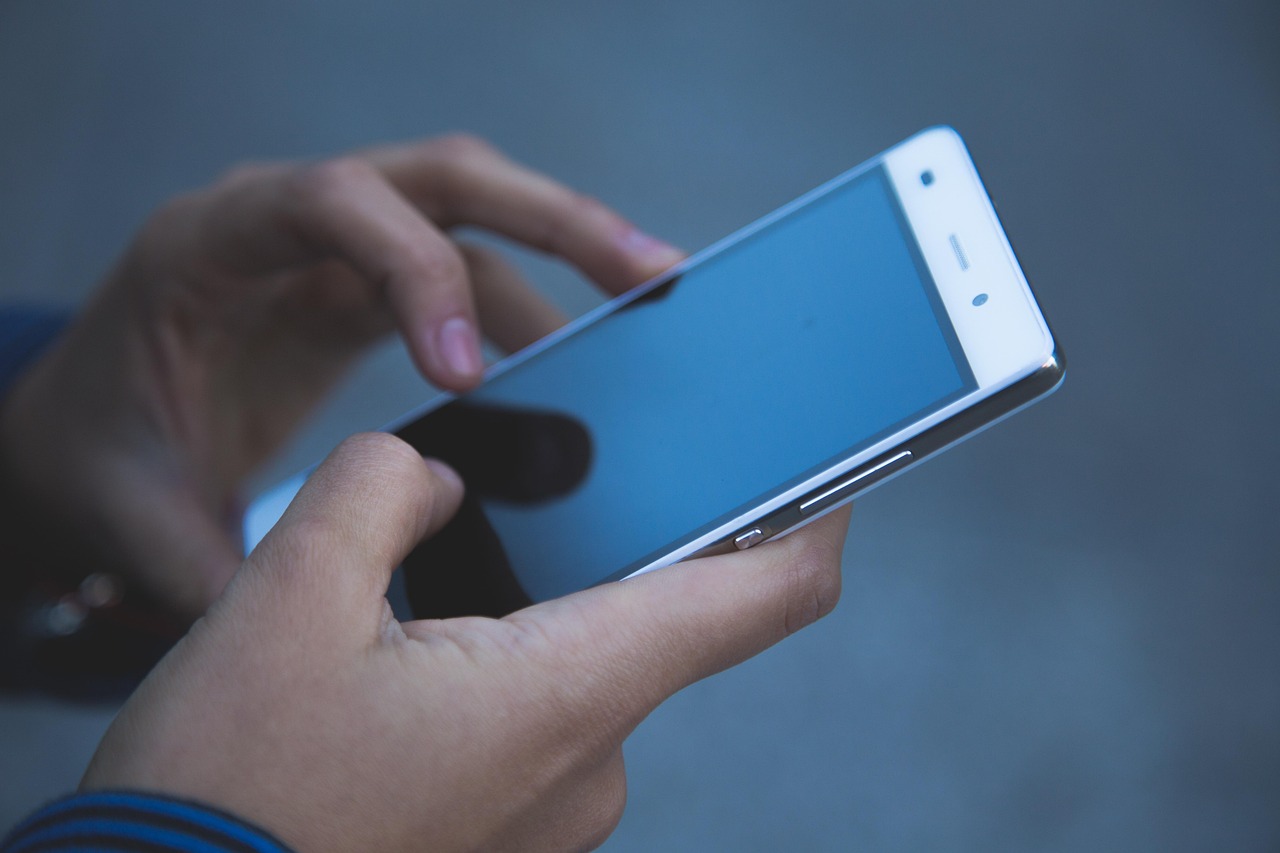
Millions of children across Australia have suddenly lost access to popular social media platforms due to a pioneering law aimed at shielding users under 16 from online risks such as addictive algorithms, cyberbullying, and predators. No other country has implemented such sweeping restrictions, making Australia a focal point for international policymakers.
The legislation targets ten major platforms—Instagram, Facebook, Threads, Snapchat, YouTube, TikTok, Kick, Reddit, Twitch, and X. These companies are complying by using age verification tools to identify under-16 users and suspend their accounts. Yet, many of the platforms question whether this move will genuinely improve child safety.
Prime Minister Anthony Albanese described the law as a milestone for families, stating it restores control to parents and allows children to enjoy a safer digital environment. He acknowledged that enforcing the ban would present challenges but said it marked a significant step toward protecting young Australians. Platforms that fail to take “reasonable steps” to deactivate accounts or block new registrations could face fines of up to 49.5 million Australian dollars ($32 million).
How Platforms Are Handling the Ban
Different platforms have adopted varying approaches. Snapchat will suspend accounts for under-16s until they reach 16 or for a period of three years. YouTube will log out underage users, hide their channels, and save their data for future reactivation while still allowing content viewing without signing in. TikTok will deactivate accounts used by children under 16, removing prior posts and relying on automated age verification. Parents are encouraged to report users suspected of providing false information.
Meta has already begun removing under-16 accounts on Instagram, Facebook, and Threads, giving users the option to download their content for future reactivation. Reddit will block underage accounts and prevent new ones. Twitch will stop allowing new accounts for under-16 users from December 10 but will deactivate existing accounts on January 9. X has not provided specifics and has voiced objections, arguing the law infringes on free speech. Kick has yet to comment.
Verifying Age and Potential Challenges
While platforms previously collected birthdates during registration, the new law mandates proactive verification. Methods include video selfies, email confirmation, and official documents. A government trial earlier this year demonstrated that age checks can be performed without violating privacy.
Despite these measures, some families may attempt to bypass the restrictions. Younger users are also seeking alternative apps like Yope and Lemon8, which have experienced a surge in Australian users. Authorities warn that the list of banned platforms may expand as new apps gain popularity.
Expected Impact and Monitoring
The government hopes the law will encourage children to spend more time offline, engage in sports, improve sleep, and focus on hobbies or reading. eSafety Commissioner Julie Inman Grant said authorities will also track unintended consequences, such as migration to unregulated online spaces.
To evaluate the law’s effectiveness, six experts from Stanford University’s Social Media Lab will collect data, with results reviewed by an independent Academic Advisory Group of international scholars. Findings will be publicly available and may guide other countries considering similar measures to enhance child online safety.

Matt LeBlanc dubbed ‘Irish Uncle’ by social media after ‘Friends’ reunion
After the Friends’ reunion, Matt LeBlanc went viral, but not for his loved character Joey Tribbiani on FRIENDS but for a different reason this time.
Read MoreSantosh Sapkota : Celebrity Social Media Manager and Singer
Most of the youths have decided to give up the plan 9-5 classic employment and stick to the plan of getting to be their
Read More
YouTube to limit access to health and fitness videos for teenagers
YouTube is introducing new limits on recommendations for certain health and fitness videos aimed at teenagers, particularly those that promote “idealised” body types. While
Read More