
Why Weight Often Returns After Stopping GLP-1 Medications
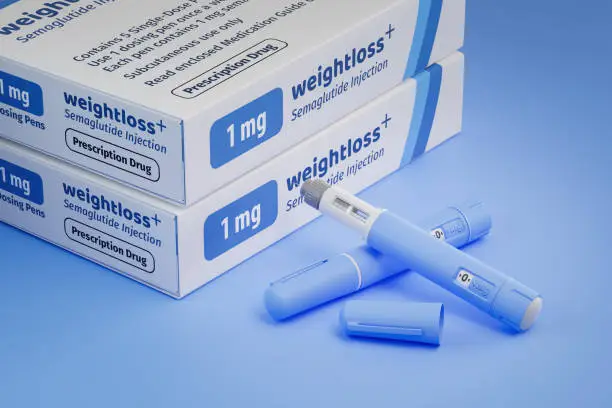
GLP-1 medications have transformed weight-loss treatment, helping millions of people reduce body weight more effectively than diet changes alone. However, growing evidence suggests that stopping these drugs can lead to relatively rapid weight regain. A recent review of existing studies indicates that many individuals return to their previous weight within two years after discontinuing GLP-1 therapy.
The findings do not suggest that the medications fail. Instead, they highlight an important reality: obesity behaves like a chronic, relapsing condition rather than a short-term problem that can be “fixed” and forgotten. Understanding why weight returns—and how to reduce that risk—may help patients and clinicians plan more sustainable strategies.
What the Research Shows About Weight Regain
GLP-1 medications work by mimicking a naturally occurring hormone that regulates appetite and blood sugar. They slow digestion, enhance feelings of fullness, and reduce hunger signals in the brain. Drugs in this category, including widely used injectable and oral options, have demonstrated impressive weight-loss results in clinical trials.
In a large review of dozens of studies involving thousands of adults, researchers found that weight regain after stopping GLP-1 medications occurred faster than weight regain following lifestyle-based programs such as diet and exercise. On average, people regained weight at a steady monthly rate once treatment ended.
This faster rebound may occur because GLP-1 drugs temporarily alter appetite regulation rather than permanently changing eating behaviors. When the medication is removed, hunger signals can return quickly, sometimes stronger than before. Without supportive habits in place, maintaining weight loss becomes far more difficult.
Experts emphasize that this pattern should not be seen as a personal failure. Instead, it reflects how the body defends its weight over time. Short-term use without a broader plan may lead to predictable setbacks, reinforcing the idea that obesity care often requires long-term management rather than brief intervention.
Why Long-Term Support Matters
Some specialists suggest that prolonged exposure to high levels of GLP-1 from medication may reduce the body’s natural hormone production or sensitivity over time. While this does not pose a problem during treatment, stopping suddenly may make overeating more likely if appetite control has relied heavily on the drug.
This effect can be intensified when behavioral changes—such as mindful eating, balanced nutrition, and regular physical activity—are not established during weight loss. Relying solely on medication to drive results may leave individuals unprepared once treatment ends.
It is also important to note that long-term projections about full weight regain are based partly on modeling rather than extended real-world observation. Because many newer GLP-1 medications have only been widely used for a few years, follow-up data beyond one year is limited. As a result, conclusions about weight regain timelines should be viewed as informed estimates rather than absolute outcomes.
Beyond weight itself, experts caution that appetite suppression affects more than fat. A significant portion of weight lost on GLP-1 medications can come from lean muscle mass. Research suggests that between 15% and 60% of lost weight may be muscle, underscoring the importance of strength training and adequate protein intake during treatment.
This concern is especially relevant for adults over 65, who already face age-related muscle loss. For this group, combining medication with resistance exercise is critical to preserving strength, mobility, and overall health.
Ultimately, the research reinforces a central message: GLP-1 drugs are powerful tools, but they work best as part of a long-term, comprehensive approach. Ongoing nutritional guidance, physical activity, and behavioral support may be essential to maintaining benefits after medication use ends.

Research shows that a large number of teens are now using weight-loss products
According to a recent study published in JAMA, a high level of non-prescribed drugs, dietary supplements, and other weight-loss products are now being used
Read More
Why are parents still struggling to get infant formula?
Despite a major formula producer restarting operations after four months, parents of young children are still reporting being unable to buy the infant formula
Read More
Why the drinks additive “BVO” could soon be banned
The U.S. Food and Drug Administration (FDA) has taken action to ban the use of a potentially harmful additive found in drinks, known as
Read More