Russia’s Oreshnik Missile: What Makes This Weapon Different
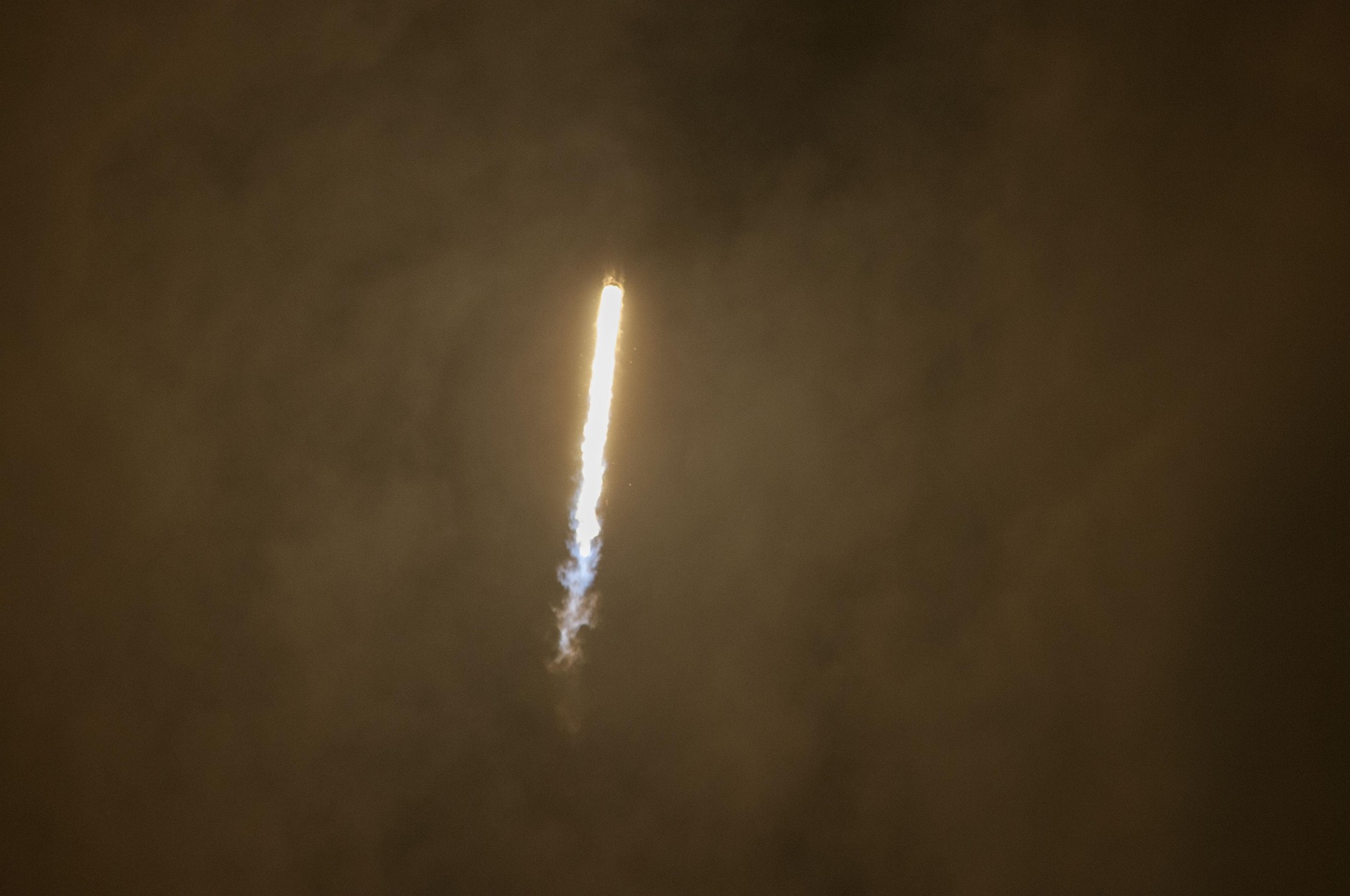
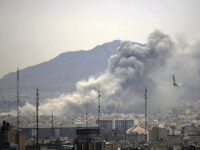
Russia has once again used its Oreshnik ballistic missile in the war against Ukraine, marking only the second confirmed deployment of the weapon since the conflict escalated in 2022. The overnight strike, carried out early Friday, has been widely interpreted by Ukraine and its allies as a strategic signal aimed not just at Kyiv, but at Western governments watching the conflict closely.
Although Russian authorities did not disclose the exact impact location, Ukrainian officials reported multiple explosions in the western city of Lviv, including what appeared to be a ballistic missile strike. Lviv’s proximity to NATO-member Poland has heightened international concern.
The Oreshnik was first used in late November 2024, when it reportedly struck an industrial site in Dnipro that appeared to be unoccupied. Even then, analysts viewed the launch as symbolic rather than tactical.
What kind of missile is Oreshnik?
Military experts believe the Oreshnik is a medium-range ballistic missile, capable of traveling roughly 600 to 1,000 miles. Some Western defense officials have suggested its true range could exceed 3,000 miles, placing it closer to the category of intermediate-range ballistic missiles.
The missile is thought to be launched from Russia’s Kapustin Yar testing facility. From there, the distance to Lviv is approximately 900 miles, well within its operational reach.
What sets the Oreshnik apart is its ability to release multiple warheads mid-flight. After exiting the atmosphere at hypersonic speeds, the missile separates into several independently guided reentry vehicles. Each of these can strike separate targets, allowing a single launch to cause widespread damage across a broad area.
Why is it called Oreshnik?
The name “Oreshnik” translates to “hazel tree” in Russian, a reference to the visual pattern created when its warheads descend, streaking through the sky like falling branches of fire. Ukrainian observers nicknamed the missile “Kedr,” or cedar, after its first appearance.
Defense analysts believe the Oreshnik shares design elements with the RS-26 Rubezh missile developed more than a decade ago, suggesting the weapon relies on proven technology rather than cutting-edge innovation.
Can Ukraine stop it?
Intercepting the Oreshnik is extremely difficult. The missile reportedly travels at speeds nearing 8,000 miles per hour and follows a steep launch-and-descent trajectory. Its multiple warheads further complicate interception efforts, overwhelming existing air defense systems.
While the missile has only carried conventional explosives so far, it was originally designed to accommodate nuclear payloads. Because of that capability, its use carries significant symbolic weight. Prior to its first launch, the United States was reportedly notified to prevent the strike from being misinterpreted as a nuclear attack.
Ukrainian specialists who examined debris from the first strike noted that the missile does not appear technologically advanced, instead relying on older but reliable systems.
Why is Russia using it now?
The decision to fire the Oreshnik appears intended to send a message. Launching a nuclear-capable missile near NATO borders underscores Moscow’s willingness to escalate and reminds Western allies of its broader military arsenal.
Ukrainian and European leaders have warned that such strikes pose a serious threat to continental security. Russia, meanwhile, has framed the launch as retaliation for previous attacks and has hinted that more Oreshnik missiles are being produced, with possible deployments planned beyond its borders.
Whether tactical or symbolic, the use of the Oreshnik marks a dangerous moment in an already volatile conflict.

Iran Scrambles to Avert Israeli Retaliation After Missile Strikes
Iran is urgently engaging in diplomatic efforts across the Middle East, trying to mitigate Israel’s expected response to its recent missile attack. Tehran is
Read More
India makes a trade deal with the European Free Trade Association
India has finalized a free-trade agreement (FTA) with four non-EU European nations that make up the EFTA – Norway, Switzerland, Iceland, and Liechtenstein. According
Read More
NHTSA makes a decision on emergency braking laws
Automatic emergency braking systems are becoming increasingly common in new cars as a means to prevent accidents. Soon, this safety feature will be standard
Read More