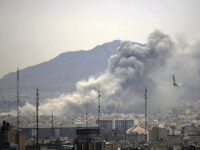
Oil Market Surges Past $100 as Strait of Hormuz Remains Blocked
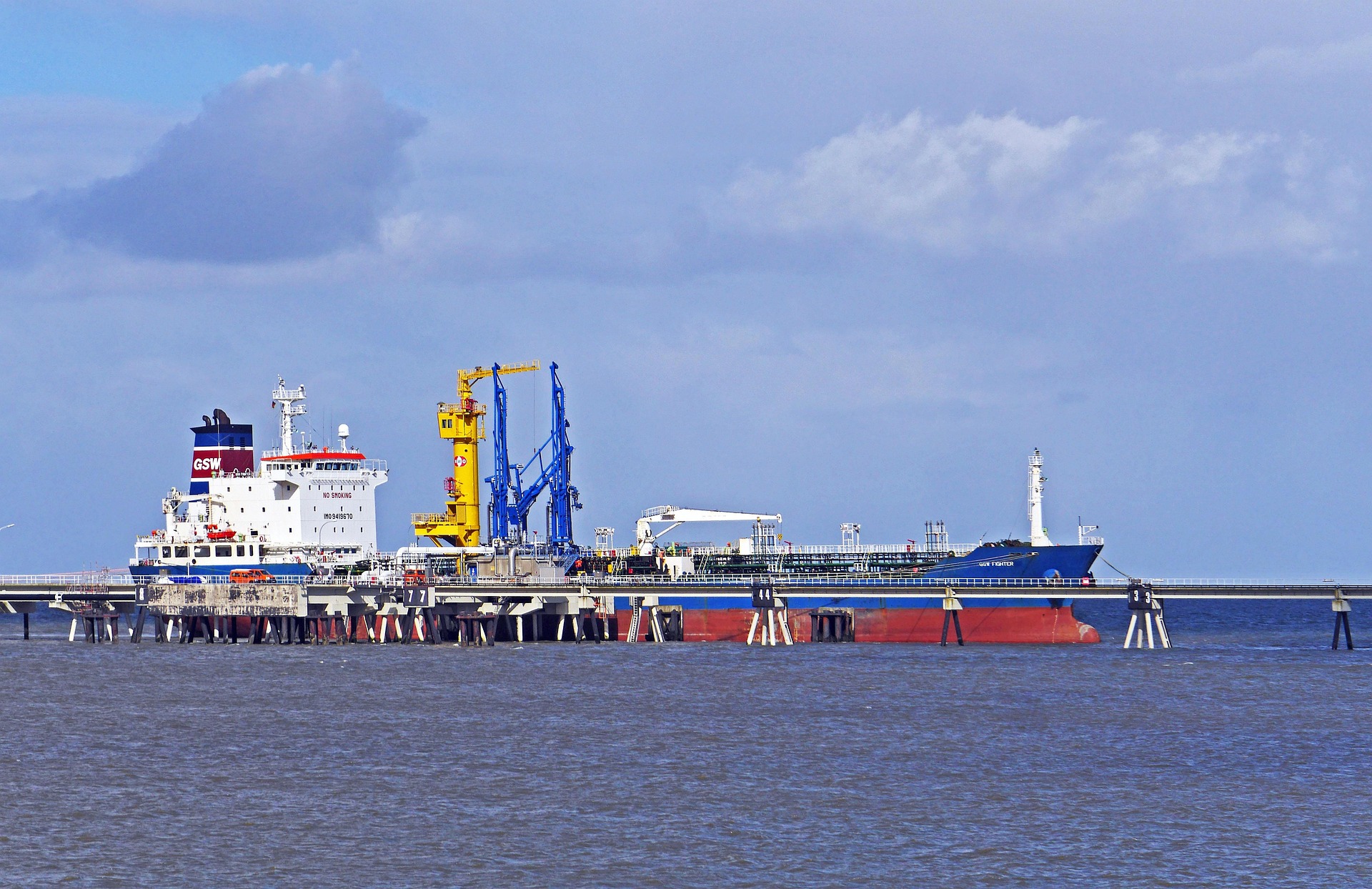
Global oil markets experienced a dramatic surge Thursday, with Brent crude climbing sharply above $100 per barrel following statements attributed to Iran’s new supreme leader, Mojtaba Khamenei, indicating that the Strait of Hormuz would stay closed. The announcement, delivered through Iranian state television, described the strait’s closure as a deliberate “instrument of leverage” and carried additional warnings of potential strikes against American military installations throughout the region.
Brent crude, the internationally recognized oil benchmark, jumped approximately 9% to trade just over $100 per barrel, while West Texas Intermediate (WTI), the primary U.S. benchmark, surged by a comparable margin to cross $95 per barrel. Economists at Capital Economics cautioned that if oil prices remain sustained in the $90 to $100 range, the consequences could include rising inflation and a notable slowdown in economic output across the world’s leading economies.
IEA Warns of Worsening Supply Shortfall
The statements from Iran’s leadership followed a stark warning issued earlier that same day by the International Energy Agency (IEA), which noted that global oil supplies would continue shrinking unless shipping traffic through the Strait of Hormuz resumed promptly. In its monthly oil market report, the agency described the ongoing Middle East conflict as producing the largest supply disruption in the history of the global oil market.
In an emergency coordinated response, 32 nations, including the United States, agreed to release a combined 400 million barrels from their strategic petroleum reserves, marking the single largest emergency oil stock release ever recorded. Despite the scale of this intervention, analysts noted it offers only a temporary buffer. With the near-blockade cutting off an estimated 15 million barrels of crude and 5 million barrels of refined products from global markets daily, the entire 400-million-barrel reserve release would be consumed in roughly 26 days.
Markets Price In a Prolonged Conflict
Jim Reid, Head of Global Macroeconomic Research at Deutsche Bank, noted in a research memo that financial markets are increasingly factoring in a prolonged conflict scenario, one with severe and lasting economic implications. Investor confidence has eroded steadily, with global equity markets trading sharply lower across Asia, Europe, and the United States as sentiment remains closely tied to how the conflict develops in the coming days and weeks.
Tanker Attacks Deepen the Crisis
The situation deteriorated further Thursday as Iranian forces struck two foreign oil tankers operating in Iraqi territorial waters. The United Kingdom’s maritime authority confirmed that yet another vessel in the Persian Gulf had been hit, making it the sixth ship attacked within just 48 hours. These incidents have significantly complicated any near-term prospects for restoring normal shipping flow through the strait.
Gulf Producers Slash Output Amid Export Bottleneck
Compounding the supply crisis, several Gulf oil-producing nations, including Saudi Arabia, Iraq, the United Arab Emirates, Kuwait, Qatar, Bahrain, and Iran, have substantially reduced their output, largely because limited export routes, filling storage facilities, and ongoing attacks on energy infrastructure have made continued production impractical. The IEA estimated that by March 10, production cuts across these nations had reached at least 10 million barrels per day of crude and refined products combined, with further reductions expected if shipping lanes remain obstructed.

A ‘Quiet Place’: Memorial Day Weekend Box Office Soars Past $100 Million
Box office collection saw a record collection over the Memorial Weekend as viewers storm the movie theaters. It comes as an excellent news for
Read More
Bluesky’s User Base Surges: A Sign of Decline for X?
Bluesky, a rising competitor to X, has experienced remarkable growth following the U.S. presidential election, doubling its user base in the past three
Read MoreMob Psych 100 Season 3: Release Date, Spoilers, Recap And Many More Details
Shortly right after the substantial effects of this Japanese manga selection Mob Psycho 100 year two, the supporters are ardently waiting to get time
Read More