Mark Robinson Comes Clean: I Lied About the Scandal That Ended My Career
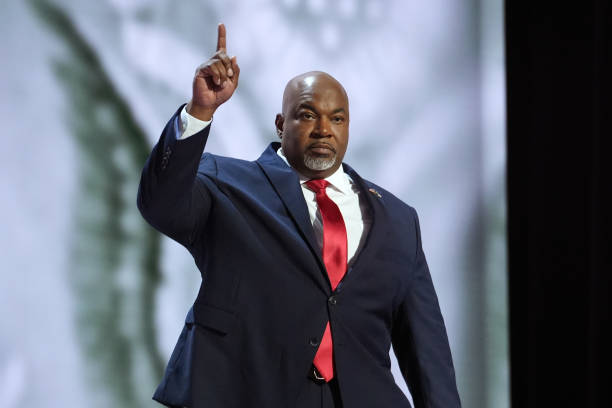
For months, Mark Robinson insisted the story was false. He sued for $50 million, stayed in the race, and watched his campaign staff walk out the door one by one. Now, more than a year after a bombshell investigation derailed his bid for the North Carolina governorship, Robinson has admitted publicly that he lied.
In a lengthy podcast interview, the former North Carolina Lieutenant Governor acknowledged deceiving the public about a 2024 investigation that uncovered a history of inflammatory, racist, and sexually explicit posts made under an online alias on a pornography website’s message board. The comments included self-identifying as a “black NAZI,” expressing support for the reinstatement of slavery, and a range of other deeply offensive content. Investigators linked the alias to Robinson through matching biographical details and a shared email address.
At the time of the original report, Robinson categorically denied any connection to the posts. He launched a $50 million defamation lawsuit and pressed on with his gubernatorial campaign despite calls from within his own party to withdraw. He went on to lose the election to Democratic Governor Josh Stein by more than 14 percentage points.
A Calculated Deception, He Says, for a Larger Cause
Speaking on the Florida-based podcast “After the Call,” Robinson offered a candid but carefully framed confession. He admitted the reporting was partially accurate and that his denial had been a deliberate choice rather than a genuine dispute of the facts.
His explanation centered not on self-interest but on loyalty. Robinson said he lied because telling the truth would have caused collateral damage to those around him, specifically citing President Donald Trump. In his view, allowing the story to define the campaign would have harmed not just himself but the broader political movement he was part of.
“If I had to ignore the truth at that moment for their expediency, I felt like it was the right thing to do,” Robinson said during the interview.
He also acknowledged a personal struggle with pornography that he described as an obsession, framing his willingness to discuss it now as an act of service to others dealing with similar issues. Robinson dropped the defamation lawsuit against the publication that broke the story after leaving office and subsequently announced his retirement from politics.
No Regrets, Despite Everything
Perhaps the most striking element of Robinson’s interview was not the admission itself but his insistence that he would make the same choice again. When pressed directly on whether he would handle things differently in hindsight, he did not hesitate before saying no.
Robinson maintained that the scandal was never truly about him. In his telling, the story was a weapon deployed by political opponents not to expose him personally but to destabilize the people and the movement around him, up to and including the president. Within that framing, his deception becomes, in his own eyes, an act of sacrifice rather than self-preservation.
He also suggested that different campaign management in the months before the story broke might have allowed him to survive the fallout. Whether that assessment reflects genuine political insight or a lingering unwillingness to fully reckon with the consequences of his choices, Robinson’s belated honesty raises questions that his original denial never had to answer.

Michele Janavas: Net Worth, College Bribe Scandal, Bio, Husband
Michele Janavas is the daughter of popular businessman Paul Merage. The heiress of Hot Pocket is a rich businesswoman who has made a name
Read More
Billie Eilish: The latest queerbaiting scandal
Billie Eilish recently shared some stills from her song ‘lost cause.’ A completely normal thing to do. Except it’s the caption of the post
Read More
Dove Cameron Comes Out as Quee; Says She Refuses Her To Hide Her Identity Anymore
Dove Cameron has very recently come out as a queer person to the public and media. The actress and singer has been struggling with
Read More