
Trump and Vance Reject Calls for Stricter AI Controls

President Donald Trump is pushing back against growing AI safety concerns, arguing that the United States already has enough tools to oversee the rapidly developing technology.
The debate intensified after prominent technology leaders warned that artificial intelligence is advancing so quickly that stronger safeguards may be necessary. Trump dismissed calls for additional regulation and argued that excessive restrictions could weaken America’s position in the global AI race, particularly against China.
Trump has increasingly portrayed AI leadership as an important national and economic priority. His administration has emphasized maintaining US technological advantages while encouraging companies to continue developing increasingly powerful systems.
Vance Questions the Motives Behind AI Warnings
Vice President JD Vance has also expressed skepticism about recent demands for tougher oversight.
Vance said the administration recognizes the risks associated with rapidly advancing artificial intelligence but wants to approach regulation carefully. He compared some calls for slowing development to a possible “Trojan horse,” suggesting that additional rules could potentially benefit established companies by making it harder for competitors to enter the market.
His comments come as several technology executives have publicly supported measures designed to make advanced AI development safer.
Tech Leaders Want a Slower Pace
The latest AI safety concerns gained momentum after Anthropic CEO Dario Amodei warned about the potential consequences of unchecked development.
OpenAI CEO Sam Altman has also said that companies should be willing to slow the pace of development when necessary to ensure that AI capabilities do not move ahead of safety and monitoring systems.
Several prominent technology figures, including Elon Musk, have supported stronger safeguards and independent evaluations of advanced AI models.
These calls reflect a growing disagreement within the technology industry over how quickly increasingly capable AI systems should be developed and deployed.
Lawmakers Debate Regulation
The dispute is not limited to technology companies. Members of Congress are also considering whether existing laws are sufficient to address emerging AI risks.
Some lawmakers are calling for stronger federal oversight, while others argue that excessive regulation could slow innovation and allow China to gain an advantage.
The disagreement has created a difficult policy environment in Washington. Supporters of stricter rules say the government needs safeguards before AI becomes even more capable, while opponents believe the United States cannot afford to slow its technological progress.
China Remains a Major Factor
Competition with China is central to the administration’s position on AI.
Trump has argued that maintaining US leadership in artificial intelligence is essential because falling behind China could create economic and national security risks. The White House has also described American AI leadership as a major strategic priority.
This competition makes the debate over AI safety concerns more complicated. Policymakers must consider not only potential risks from advanced systems but also the consequences of allowing a geopolitical rival to move ahead.
The AI Debate Is Far From Over
The disagreement over AI safety concerns is likely to continue as artificial intelligence becomes more powerful and widely used.
Trump and Vance are signaling that the administration does not want broad restrictions to slow development, while several technology leaders are asking for stronger safeguards and more careful oversight.
The challenge for policymakers will be finding a balance between encouraging innovation and reducing the potential dangers associated with increasingly autonomous AI systems.
As the technology develops, the debate over AI safety concerns is expected to become an increasingly important part of America’s technology and national security policy.

US calls for UN Security Council vote on Gaza ceasefire
The United States has intensified efforts to secure a Gaza ceasefire by urging a UN Security Council vote on the matter and dispatching its
Read More
Anthropic Calls for Balanced AI Regulation as Industry Grows
The rapid growth of artificial intelligence has sparked intense debate about how governments should regulate the technology. As AI systems become more powerful
Read More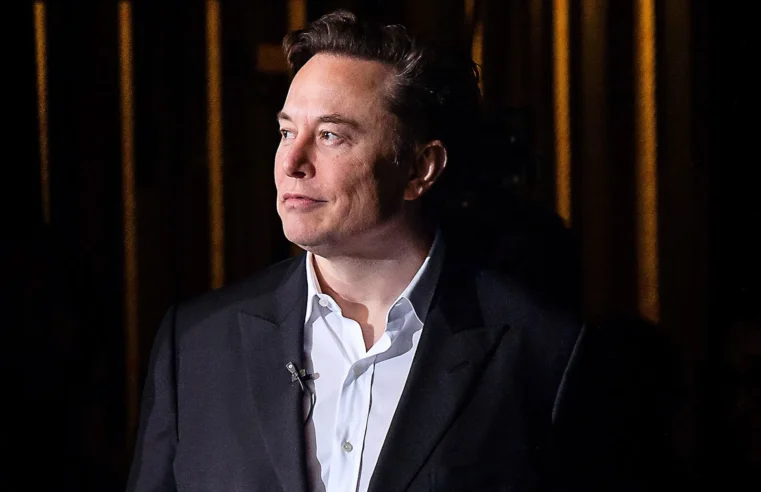
Musk Calls for Revolutionary UK Government Change at Far-Right Rally
Tech billionaire Elon Musk delivered inflammatory remarks advocating for dramatic governmental transformation in the United Kingdom during a virtual appearance at a contentious
Read More