Trump and Xi Promote AI Cooperation Amid Tech Rivalry
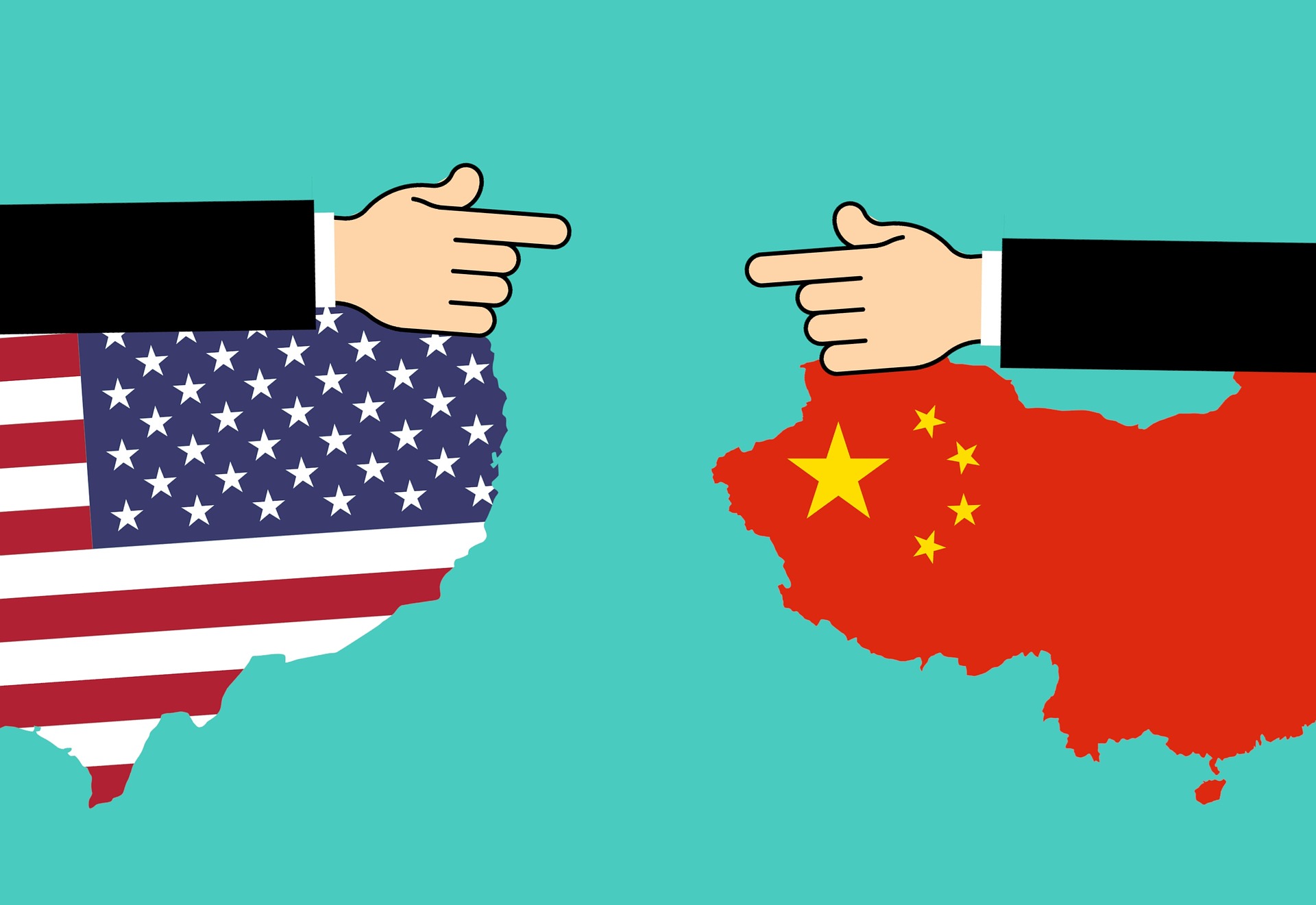
US President Donald Trump and Chinese President Xi Jinping have publicly emphasized cooperation in artificial intelligence, but their latest meeting highlights how difficult it may be to ease tensions between the world’s two biggest economies.
The leaders met in Shenzhen, China’s major technology hub, during the Asia-Pacific Economic Cooperation (APEC) summit. The discussions came as Washington tightened restrictions on China’s access to advanced semiconductor technology, a move that could affect the future of AI development and international trade.
Although both governments have expressed interest in discussing AI safety, competition over advanced chips, computing infrastructure and technological leadership continues to complicate their relationship.
Why Shenzhen Was an Important Location
Shenzhen has become one of China’s most influential technology centers, home to major electronics manufacturers, technology companies and innovation-driven businesses.
Hosting international leaders in the city allowed Beijing to highlight China’s growing technological capabilities and its ambitions to become a global leader in artificial intelligence.
China has invested heavily in domestic semiconductor manufacturing, AI research and digital infrastructure. However, restrictions on advanced American chips remain an obstacle for companies seeking access to the most powerful computing technology.
Semiconductor Restrictions Remain a Major Disagreement
Advanced chips are essential for training and operating sophisticated AI systems. The United States has introduced restrictions intended to limit China’s access to certain semiconductor technologies because of concerns about military applications and national security.
These restrictions have become a major source of tension between Washington and Beijing.
According to a Reuters report on the Trump-Xi summit, restrictions on advanced AI chips were expected to overshadow discussions between the leaders, even as both countries explored opportunities for AI safety cooperation.
China has criticized American export restrictions, arguing that they limit economic development and technological progress.
AI Safety Could Offer an Opportunity for Dialogue
Despite their disagreements, both countries recognize that artificial intelligence creates risks that extend beyond national borders.
Potential concerns include cybersecurity threats, misinformation, autonomous systems and the misuse of increasingly powerful AI tools.
Officials have discussed the possibility of establishing communication mechanisms for serious AI-related incidents. Such arrangements could help reduce misunderstandings and prevent technological incidents from escalating into diplomatic or security crises.
However, cooperation on AI safety does not necessarily mean the countries will reduce competition over the technology itself.
The Future of US-China Technology Relations
The relationship between the United States and China is likely to remain complicated as both countries seek advantages in AI, semiconductors, telecommunications and other strategic industries.
Washington wants to protect sensitive technologies and maintain its technological advantage, while Beijing continues investing in domestic alternatives and reducing dependence on foreign suppliers.
The latest summit demonstrates that diplomatic communication remains possible, but significant disagreements continue.
Final Thoughts
Trump and Xi’s discussions in Shenzhen highlighted the contrast between public calls for AI cooperation and the growing competition over technology, trade and national security.
Artificial intelligence may provide opportunities for collaboration, but advanced semiconductors remain one of the most important battlegrounds in the US-China relationship.
The outcome of future negotiations could influence not only the two countries but also global technology companies, international supply chains and the development of AI worldwide.

Trump Mobile Walks Back ‘Made in USA’ Claim Amid Scrutiny
Trump Mobile, a venture backed by the Trump Organization, recently revised the language on its website, removing the bold claim that its T1
Read More
Tech Titans Confront a Future Without Their Flagship Products
In a rare moment of candor during recent antitrust trials, leading tech firms like Meta and Google admitted that their flagship products—Facebook, Google
Read More
Europe Introduces New AI Regulations for Big Tech
The European Union is continuing its efforts to strengthen oversight of the technology sector by introducing measures that could reshape how major companies
Read More