
Rare Jaguar Sighting in Honduras Signals Wildlife Comeback
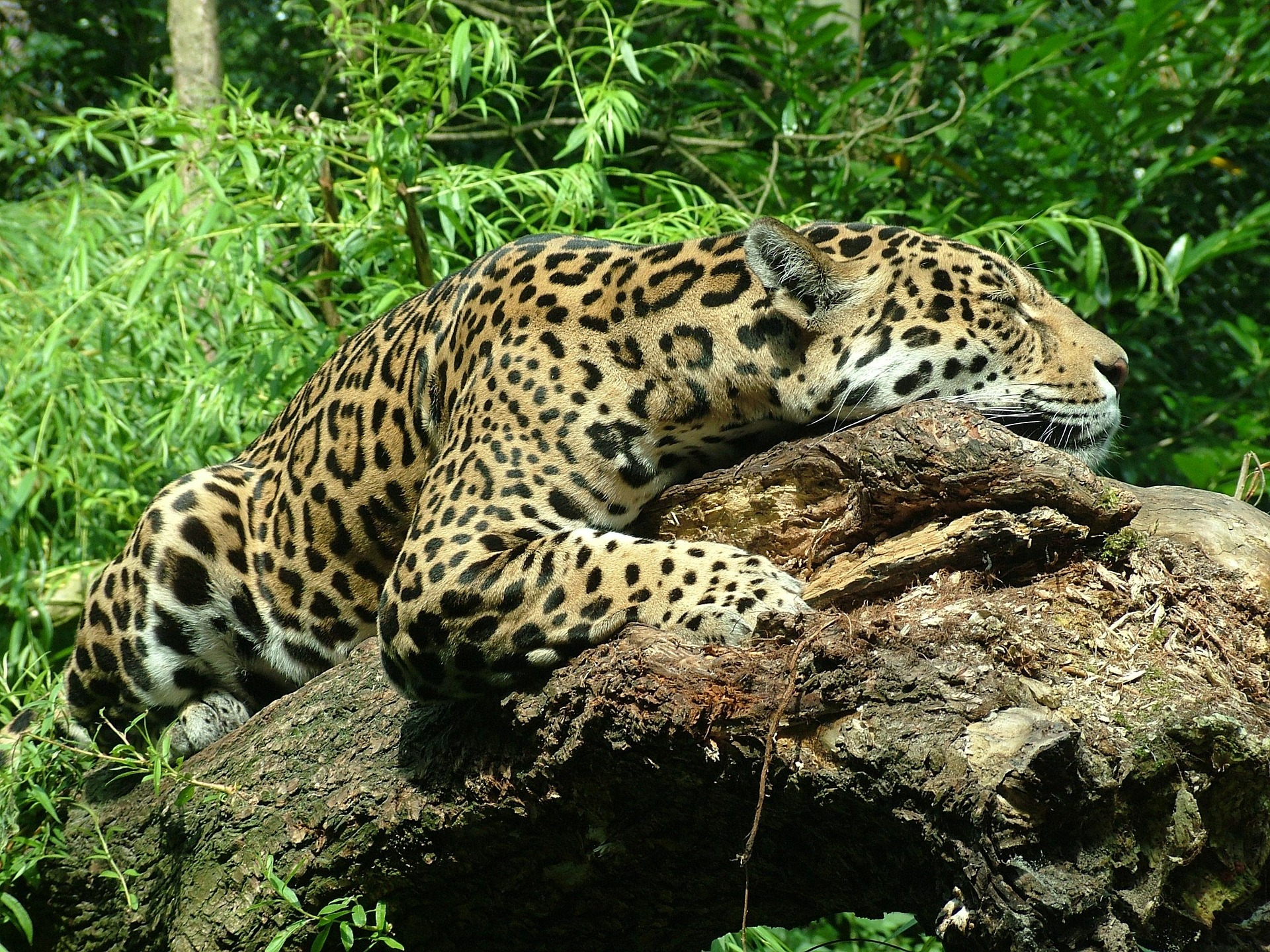
A remarkable wildlife sighting in Honduras has brought fresh optimism to conservationists after a jaguar was recently recorded in the high-altitude forests of the Sierra del Merendón. This is the first confirmed appearance of the species in the area in over a decade, making it an encouraging sign for biodiversity recovery in the region.
The jaguar, a young male often described as a “cloud jaguar,” was captured by a camera trap positioned about 2,200 meters above sea level. Jaguars are rarely seen at such elevations, as they usually inhabit lower, denser forests. This unusual sighting raises important questions about their movement patterns and adaptability in less-explored environments.
A Species Under Pressure
Throughout the Americas, jaguar populations have been steadily declining. Data from the International Union for Conservation of Nature shows that nearly half of their original habitat has already been lost. While the Amazon still holds the largest remaining population, jaguars in other regions face increasing threats and are often classified as endangered.
In Honduras, the species is legally protected, but that hasn’t eliminated the dangers they face. Deforestation continues to be a major issue, largely caused by expanding agriculture and livestock farming. Over time, this has significantly reduced forest coverage, disrupting ecosystems and limiting safe habitats for wildlife.
Progress Through Protection
Another serious threat comes from poaching, particularly of the animals jaguars rely on for food, such as deer and wild pigs. When these prey species decline, it directly impacts the survival of top predators. Conservation groups like Panthera have been working actively to reduce these risks through monitoring programs and anti-poaching efforts.
The Sierra del Merendón has been recognized as an important природный zone since the late 1980s, mainly due to its role in supplying water to nearby communities. While this status helped protect parts of the forest, illegal activities and biodiversity loss were never fully eliminated. In recent years, however, conservation initiatives have become more advanced, using tools like camera traps, ranger patrols, and sound-monitoring systems to strengthen protection.
These combined efforts are now showing results. Alongside the recent jaguar sighting, other wild cats such as pumas, ocelots, and margays have also been documented in the region. This indicates a gradual recovery of the ecosystem and improved conditions for large predators.
Why Connectivity Matters
Experts suggest the jaguar captured on camera may not permanently live in the area. Instead, it was likely traveling through a wildlife corridor that links habitats between Guatemala and Honduras. These corridors play a crucial role in allowing animals to move between regions, helping maintain healthy genetic diversity and stable populations.
This route is part of a much larger conservation vision known as the Jaguar Corridor Initiative, which aims to connect jaguar habitats stretching from Mexico all the way to Argentina. Protecting these pathways ensures that jaguars can safely migrate, breed, and adapt to changing environments.
Positive developments are also being reported beyond Honduras. Recent surveys in Mexico indicate a rise in jaguar numbers, while international conservation agreements are encouraging countries to collaborate more closely on protecting wildlife and their ecosystems.
The rediscovery of a jaguar in the Sierra del Merendón is more than just a rare encounter. It reflects the impact of consistent conservation work and highlights the importance of protecting natural habitats. With continued efforts focused on reducing deforestation, controlling poaching, and maintaining ecological connections, there is growing hope that jaguar populations can recover and thrive once again.

Teenage Mutant Ninja Turtles To Make Comeback In 2023
The popular comic book Teenage Mutant Ninja Turtles is going to be released in 2023 as a new animated film. The film is being
Read More
New report warns that housing could be an issue for the aging population
According to a report by The Harvard Joint Center for Housing Studies, the US is ill-equipped to address the housing and care needs of
Read More
Research shows that a large number of teens are now using weight-loss products
According to a recent study published in JAMA, a high level of non-prescribed drugs, dietary supplements, and other weight-loss products are now being used
Read More