
Experts Say Hantavirus Outbreak Shouldn’t Be Compared to Covid-19
Health officials are continuing to reassure the public that the recent hantavirus outbreak does not pose the same level of danger as the Covid-19 pandemic. While the situation has raised concerns due to reports of person-to-person transmission involving the Andes strain of the virus, experts say the overall risk remains limited.
Authorities have emphasized that hantavirus is far less contagious than respiratory viruses like Covid-19 or influenza. Most cases are traditionally linked to exposure to infected rodents, particularly through contaminated droppings or urine. Human transmission is considered rare and usually requires close contact over an extended period.
Because many people still carry memories of the uncertainty and disruption caused by the pandemic, health agencies have tried to calm fears early. Officials say the virus has been studied for years and is not something entirely new to medical researchers.
However, some public health specialists believe the messaging around the outbreak may be too confident and could unintentionally damage trust if new information emerges later.
Concerns Over Public Health Communication
Several infectious disease experts argue that clear and transparent communication is essential during outbreaks, especially after the public experienced changing guidance throughout the Covid era.
Questions were raised after health officials described one patient connected to the outbreak as “mildly PCR positive,” a phrase many doctors criticized as unclear and potentially confusing. Medical professionals stressed that vague wording can create misunderstandings and fuel misinformation online.
Some specialists warn against what they describe as “over-reassuring” the public. They believe officials should openly acknowledge uncertainty rather than making statements that sound overly definitive before all facts are known.
Experts in crisis communication say people are more likely to trust health authorities when they admit what is still being studied. Explaining both the known risks and the unknowns can help prevent skepticism and confusion later.
Researchers also note that scientific understanding often changes during outbreaks as more data becomes available. Because of this, many experts recommend flexible messaging that evolves alongside new evidence.
Why Experts Say This Virus Is Different
Despite online comparisons to Covid-19, scientists continue to point out major differences between the two diseases. One of the most important distinctions is the way hantavirus spreads.
Unlike Covid, which can move rapidly through large populations, hantavirus transmission is much slower and more limited. Experts say outbreaks are easier to contain because infected individuals generally require close and prolonged exposure to pass the virus to others.
The virus also has a longer incubation period, meaning symptoms may not appear for several weeks after exposure. Health professionals say this longer timeline gives authorities more opportunity to trace contacts and reduce further spread.
Still, researchers are carefully studying the recent outbreak because some reported cases involved brief interactions in shared spaces such as dining areas and public rooms on a cruise ship.
Doctors say confined environments like ships and airplanes can increase transmission risk because people spend long periods close together indoors.
Public health experts believe the current situation highlights a larger challenge facing modern health communication. Following the pandemic, many people are more alert to disease outbreaks and more skeptical of official reassurance.
Researchers stress that while hantavirus is not expected to become a global crisis, transparency and careful communication remain essential to maintaining public confidence.

Experts update Covid-19 vaccine advice for healthy children
The World Health Organization has released an update to its official guidance on vaccinating kids and teenagers against Covid-19. The agency now says that
Read More
Ohio measles outbreak declared over after 85 cases
An outbreak of measles in the state of Ohio was first reported in early November and resulted in 85 cases. Now, officials have announced
Read More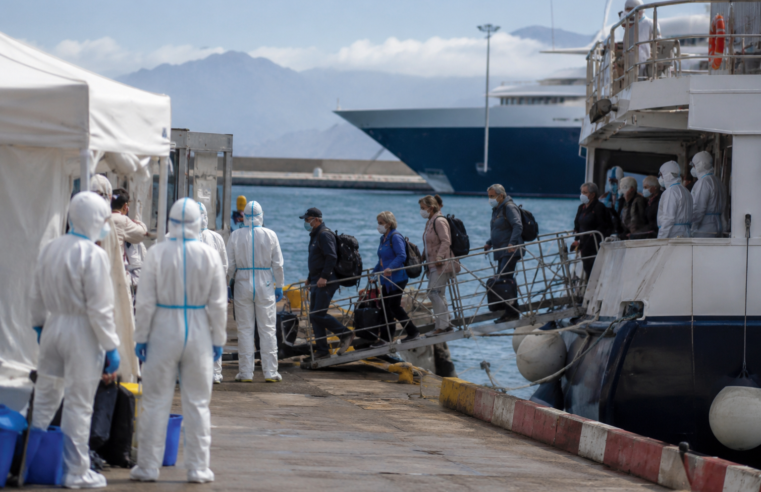
Tenerife Port Sees Relief as Hantavirus Cruise Passengers Disembark
Scenes of both relief and concern unfolded at the Port of Granadilla in Tenerife as passengers from the MV Hondius finally began disembarking
Read More