
The Trump Iran Deal & America’s Political Divide
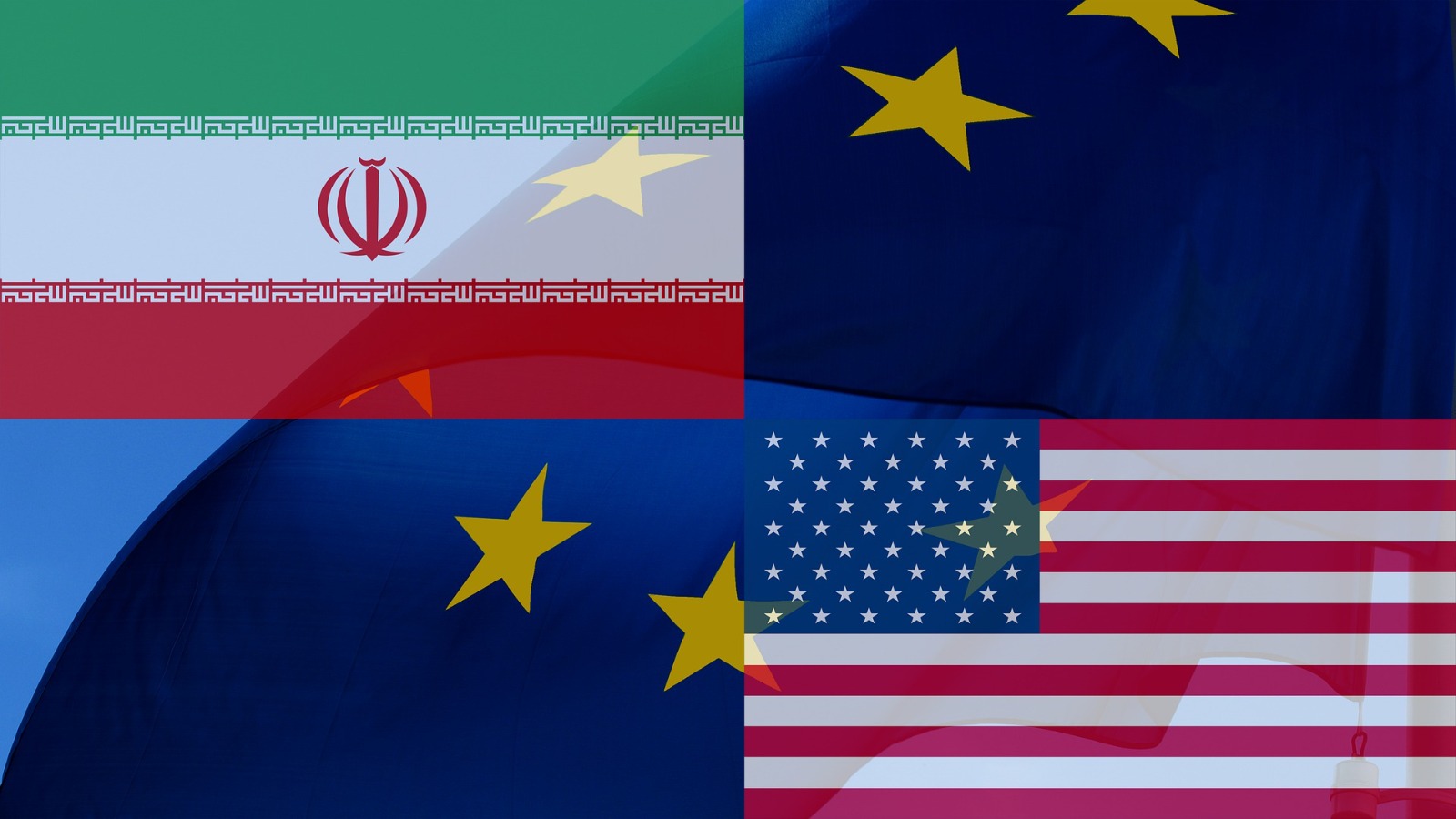
Few topics in modern American foreign policy generate as much heat as the Trump Iran deal. Whether you support it or oppose it, the ongoing negotiations between Washington and Tehran have exposed deep fractures inside both the Republican and Democratic parties. As a potential 60-day framework agreement hangs in the balance in June 2026, the debate over how to handle Iran is once again front and center in U.S. politics.
The roots of this division run deep. Since 2015, American political leaders have never agreed on how to manage Iran’s nuclear ambitions. And in 2026, with a three-month war now on pause and a peace memorandum still unsigned, the disagreements have only grown louder. Understanding why this deal divides the country requires a look at the history, the current stakes, and the sharp differences in how Americans see the world.
To understand the current debate, you have to go back to 2015. That year, President Barack Obama helped broker the Joint Comprehensive Plan of Action, known as the JCPOA. The deal brought together the U.S., China, France, Germany, Russia, and the United Kingdom to lift economic sanctions on Iran in exchange for strict limits on its nuclear program. It was the most significant Iran nuclear agreement in decades.
Republicans largely opposed it from the start. Donald Trump, then a presidential candidate, called it a disaster and rallied against it outside the U.S. Capitol. When he took office, he followed through on his promise. In 2018, Trump withdrew from the JCPOA and launched a “maximum pressure” campaign of heavy economic sanctions designed to force Iran back to the table on American terms. The move was praised by Republicans but condemned by most Democrats, who said it destroyed years of diplomatic progress.
When Trump returned to the White House, he relaunched that maximum pressure campaign in February 2025. Within months, tensions escalated sharply. By March 2025, U.S. Director of National Intelligence Tulsi Gabbard told Congress that Iran was not building a nuclear weapon at that time. But broader conflict followed anyway, and by early 2026, a three-month military conflict between the U.S. and Iran had left both sides looking for an exit.
What the Current Trump Iran Deal Actually Proposes
The framework now being discussed is not a final peace agreement. It is a memorandum of understanding covering 60 days of ceasefire, during which both sides would negotiate the longer-term nuclear question. The broad outline includes Iran reopening the Strait of Hormuz to unrestricted commercial and military shipping, a framework for negotiations on Iran’s nuclear program, and the possibility of sanctions relief and access to frozen assets depending on diplomatic progress.
U.S. and Iranian negotiators largely agreed on the terms by late May 2026, but Trump sent back edits, demanding stronger language on several key points. He posted on Truth Social that Iran must commit to never having a nuclear weapon, that the Strait of Hormuz must be immediately open, and that buried enriched material at bombed nuclear sites must be destroyed. Iran’s state media pushed back, calling Trump’s conditions a contradiction of what negotiators had already discussed.
“Any deal the president is willing to make, he’s only going to make it if he believes it’s a great deal for our country and the security of the world.” Defense Secretary Pete Hegseth, May 2026
Pakistan has played a central role as mediator, handling the back-and-forth between Washington and Tehran. The situation remains fluid. As of June 2026, neither side has signed off, and Trump has said he is in “no hurry” to finalize anything, even as military and economic pressures continue to mount on both nations.
Why Republicans Are Divided Over Trump’s Foreign Policy Approach
You might expect every Republican to cheer on a deal crafted by their own president. But Trump foreign policy has created a genuine split within the GOP on Iran. Hard-line Republican senators and former Trump administration officials have been vocal in warning that the emerging framework falls far short of what the president originally promised. They fear a deal that leaves Iran with enrichment capabilities and access to billions in frozen assets, which they say could fund militant proxies across the Middle East.
Prominent Republicans in both the Senate and the House have publicly criticized the terms even before they are finalized. The concern is straightforward: after three months of military conflict and enormous political capital spent on the “maximum pressure” campaign, the U.S. might walk away with less than it went in demanding. Conservative hawks see a 60-day ceasefire window as kicking the hardest questions down the road, not solving them.
At the same time, other Republicans and Trump advisers argue that any deal that prevents nuclear proliferation and reopens global shipping lanes is a win worth taking. The 2026 midterm elections are approaching, and the ongoing war and its economic consequences, including energy price spikes, are a growing concern for Republican candidates in competitive districts. Policy analysts have noted that Trump is under real pressure to deliver a diplomatic resolution before voters go to the polls.
Democratic Opposition and the Bigger Picture for US Iran Relations
Democrats have offered their own sharp criticism of the Trump Iran deal, though for different reasons. Senator Cory Booker of New Jersey accused Trump of being played by Iran’s leadership, warning that any deal granting sanctions relief would enable Tehran to fund terrorist proxies across the region. Other Democrats argued that the U.S. had already surrendered billions of dollars in diplomatic leverage without securing firm commitments on the nuclear question.
Progressive Democrats, meanwhile, have consistently warned against any path that could lead to a wider war. Representative Pramila Jayapal of Washington State called for immediate negotiated de-escalation when hostilities began in 2025, saying the U.S. must not allow itself to be pulled into another prolonged Middle East conflict. This reflects a broader tension within the Democratic Party between those who prioritize Israel’s security concerns and those who want the U.S. to step back from the region entirely.
The partisan divide on US Iran relations also touches on credibility. Democrats argue that Trump’s 2018 exit from the JCPOA destroyed a working framework and set the stage for the current conflict. Republicans argue that the Obama deal was always too weak and that only maximum pressure could force Iran to accept meaningful restrictions. Both sides are talking about the same country but operating from entirely different sets of assumptions about what diplomacy can and cannot achieve.
A Deal That Reflects a Country Divided
The Trump Iran deal is not just a story about nuclear weapons or shipping lanes. It is a mirror of a country that cannot agree on what power, diplomacy, and security mean in the modern world. From the JCPOA in 2015 to the maximum pressure campaign and now to this fragile 60-day framework, every chapter of the Iran nuclear agreement saga has exposed the same fault lines in American politics.
Republicans disagree among themselves on whether strength means military resolve or deal-making pragmatism. Democrats disagree on whether engagement enables bad actors or prevents worse outcomes. And throughout all of it, the question of US Iran relations remains one of the hardest foreign policy puzzles in Washington. Until the underlying disagreements about strategy and values are resolved, no Trump Iran deal, signed or unsigned, will end the argument. It will only give both sides new material to fight over.
What is clear is that the stakes are high. A deal that works could stabilize oil markets, reduce regional tensions, and prevent nuclear proliferation. A deal that falls apart could restart military hostilities with unpredictable consequences. For ordinary Americans watching from home, the hope is that whoever sits in the Situation Room puts the country’s long-term security above short-term political calculations.
Markets Surge and Oil Tumbles as Trump Hits Pause on Iran Strikes
A single social media post from President Donald Trump was enough to send financial markets into a sharp reversal on Monday, erasing days
Read More
Meta announces new rules for AI-generated political ads
Starting next year, Meta will introduce a new requirement for advertisers promoting political or issue-based content on its platforms. Advertisers running Facebook and Instagram
Read More
The Persian Gulf Is on a Knife Edge as Trump’s Iran Deadline Expires
The Persian Gulf has weathered decades of turbulence, but the combination of an active war, a presidential ultimatum, and Iranian counter-threats is pushing
Read More