
Chinstrap Penguin Population Drops 63% on Antarctic Island
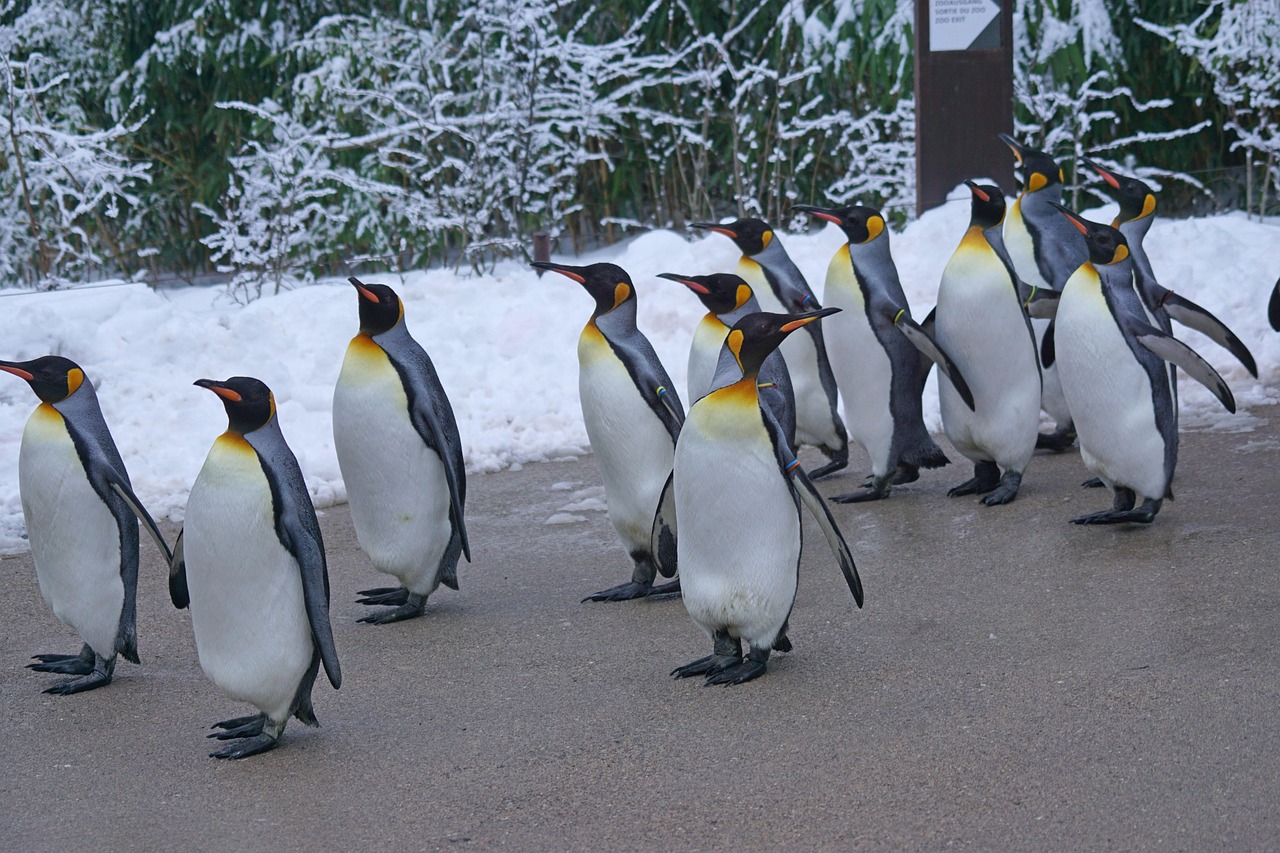
One of Antarctica’s most important penguin colonies has experienced a major population decline, causing Zavodovski Island to lose its position as home to the world’s largest penguin colony.
A study by researchers from the British Antarctic Survey found that the number of active chinstrap penguin nests on Zavodovski Island fell by 63% between 2011 and 2025. The decline represents the disappearance of more than 500,000 birds and accounts for over one-quarter of the island’s entire penguin population.
Cape Adare, located in Antarctica’s Ross Sea region, is now considered the site of the world’s largest penguin colony.
Studying Penguins in One of the Most Isolated Places on Earth
Zavodovski Island belongs to the South Sandwich Islands and is located more than 2,000 kilometers from the nearest permanent human settlement. Reaching the island is difficult because of its isolated position and frequently dangerous sea conditions.
British Antarctic Survey scientists spent roughly 15 days traveling through rough waters before arriving at the island. During their research, they combined drone surveys, aerial images and tracking equipment placed on individual penguins to monitor the colony.
Their findings revealed that chinstrap penguins are experiencing an unusually rapid population decline at Zavodovski Island.
Climate Change May Be Disrupting the Penguins’ Food Supply
Researchers believe changing climate conditions are the most likely reason for the decline.
A major part of the diet of chinstrap penguins is Antarctic krill. These tiny marine creatures depend on sea ice for food and protection, which makes them sensitive to changes in ocean temperatures and ice conditions.
As the surrounding Southern Ocean becomes warmer, krill populations have moved farther south toward the Weddell Sea. The penguins, however, cannot simply follow the changing food supply because suitable breeding locations and sea-ice conditions limit where they can travel and reproduce.
Scientists believe the growing distance between the penguins and their primary food source could be placing significant pressure on the colony.
Macaroni Penguins Have Responded Differently
Not every penguin species on Zavodovski Island has experienced the same decline.
The island’s macaroni penguin population grew by approximately 28% between 2011 and 2016 before remaining relatively stable. Unlike chinstrap penguins, macaroni penguins have a broader diet and can consume fish and other crustaceans when krill are harder to find.
The different population trends between the two species provide additional clues about the role of changing food supplies and ocean conditions.
Researchers Investigated Other Possible Explanations
Scientists also considered whether other factors could have caused the sharp reduction in the chinstrap population.
A volcanic eruption on Zavodovski Island in 2016 was considered, but the timing did not fit the population trend. Researchers found that the decline had already started several years before the eruption occurred.
Limited nesting space was another possibility, but the island still has considerable suitable breeding habitat available. Krill fishing is also banned within the marine protected area around the island. However, researchers said the potential impact of fishing activity in nearby and connected waters still requires further study.
The Decline Could Have Wider Consequences
The loss of chinstrap penguins at Zavodovski Island is concerning because the South Sandwich Islands support a substantial portion of the global chinstrap population.
If similar declines continue in other Antarctic colonies, scientists warn that the species could eventually face consideration for an endangered status.
The situation also highlights how climate change can transform ecosystems that appear far removed from human activity. Remote Antarctic islands are not isolated from changes taking place across the Southern Ocean.
For chinstrap penguins, the dramatic population decrease at Zavodovski Island offers another example of how warming oceans can disrupt the food chain and rapidly change wildlife populations.

New report warns that housing could be an issue for the aging population
According to a report by The Harvard Joint Center for Housing Studies, the US is ill-equipped to address the housing and care needs of
Read More
McDonalds drops AI technology from drive-through restaurants
McDonald’s is discontinuing its use of the controversial AI-powered ordering technology in US drive-throughs after customers highlighted its humorous failures online. This system, developed
Read MoreRegardless Of When Season 2 Of Netflix’s Russian Doll Finally Drops
Netflix’s Russian Doll year 2 will acquire even for a longer period to arrive out thanks to this Coronavirus pandemic, but the show’s casting
Read More