
Unitree IPO Highlights China’s Humanoid Robot Boom
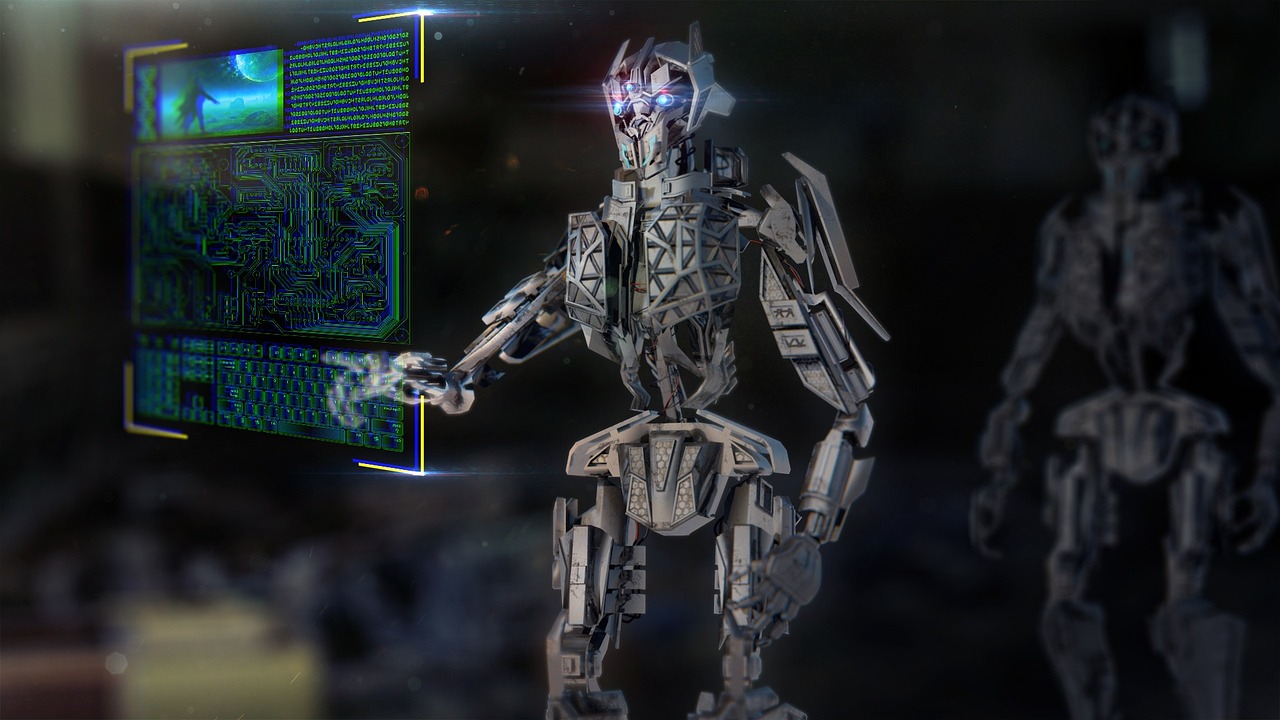
China’s rapidly expanding robotics industry is entering a new phase as humanoid robot maker Unitree prepares to make its debut on the Shanghai Stock Exchange’s STAR Market.
The company is scheduled to begin trading on August 19, making it the first mainland-listed company focused on humanoid robots. Unitree has attracted enormous investor interest, with its offering reportedly oversubscribed thousands of times by retail investors.
The Unitree IPO is expected to raise about 6.1 billion yuan, or roughly $905 million. The offering values the company at approximately $9.1 billion, according to recent reports.
The strong demand demonstrates how quickly robotics has become one of China’s most closely watched technology sectors.
From Robot Dogs to Humanoid Machines
Unitree, also known as Yushu Technology, began by developing four-legged robots before expanding into humanoid machines.
Its robots have gained international attention for their ability to walk, run, dance and perform complex physical movements. The company’s humanoid products have helped make it one of China’s most recognizable robotics startups.
Unitree recently introduced a high-speed robot called “Superman,” which can reportedly jump two meters from a standing position and reach speeds of more than 12 meters per second.
The company has also delivered thousands of bipedal humanoid robots across several models, demonstrating its growing manufacturing capabilities.
Investors Show Strong Confidence in Robotics
The enthusiasm surrounding the Unitree IPO reflects growing expectations that humanoid robots could eventually become a major technology industry.
Retail demand for the offering was exceptionally high, with reports indicating that subscriptions exceeded available shares by thousands of times. Strategic investors have also shown interest, including major technology and state-backed organizations.
China has invested heavily in robotics manufacturing and artificial intelligence as it seeks to strengthen its position in advanced technology.
The potential applications for humanoid robots are broad. Manufacturers are exploring their use in factories, logistics, research facilities and eventually consumer environments.
However, the industry is still developing, and many companies face significant research and development costs while working to make robots practical and affordable at scale.
AI Could Determine the Next Stage
Building a robot capable of walking is only one part of the challenge. Developing the artificial intelligence needed to allow machines to understand their surroundings, respond to instructions and perform useful tasks remains a major hurdle.
This is why the robotics industry is increasingly focused on combining advanced hardware with AI systems.
Unitree has been investing in this area as it seeks to move beyond demonstrations and develop robots capable of performing practical tasks.
The company’s growth comes as other Chinese robotics firms also explore public listings, suggesting that investors are increasingly interested in the country’s emerging humanoid robotics market.
A Test for China’s Robotics Industry
The Unitree IPO could become an important test of how investors value China’s humanoid robotics sector.
Strong demand indicates considerable optimism, but the long-term success of the industry will depend on whether companies can turn impressive demonstrations into commercially useful products.
Unitree’s public listing could also provide greater access to capital for research, manufacturing and AI development.
As competition increases, Chinese robotics companies will likely continue working to improve robot movement, intelligence, battery life and affordability.
The Unitree IPO therefore represents more than a single company’s stock market debut. It reflects China’s broader ambition to become a major force in robotics and embodied artificial intelligence.
If humanoid robots eventually become common in workplaces and homes, Unitree’s transition from a robotics startup to a publicly traded company could prove to be an important milestone in that development.

World Cup 2026 Highlights Reveal Surprises, Drama, and Lessons From the Tournament
The World Cup 2026 Highlights have delivered unforgettable moments, unexpected results, and exciting stories that have captured the attention of football fans worldwide.
Read More
AI Boom Continues to Drive Stock Market Growth
Artificial intelligence continues to dominate financial markets, driving investor enthusiasm far beyond the technology giants developing AI tools. While companies building advanced AI
Read More
China lifts its two-year ban on importing Irish beef
In May 2020, China banned Irish beef imports following a case of atypical bovine spongiform encephalopathy (BSE). Shipments of Irish beef to China have
Read More