Hidden Groundwater Decline Threatens Colorado River Water Security
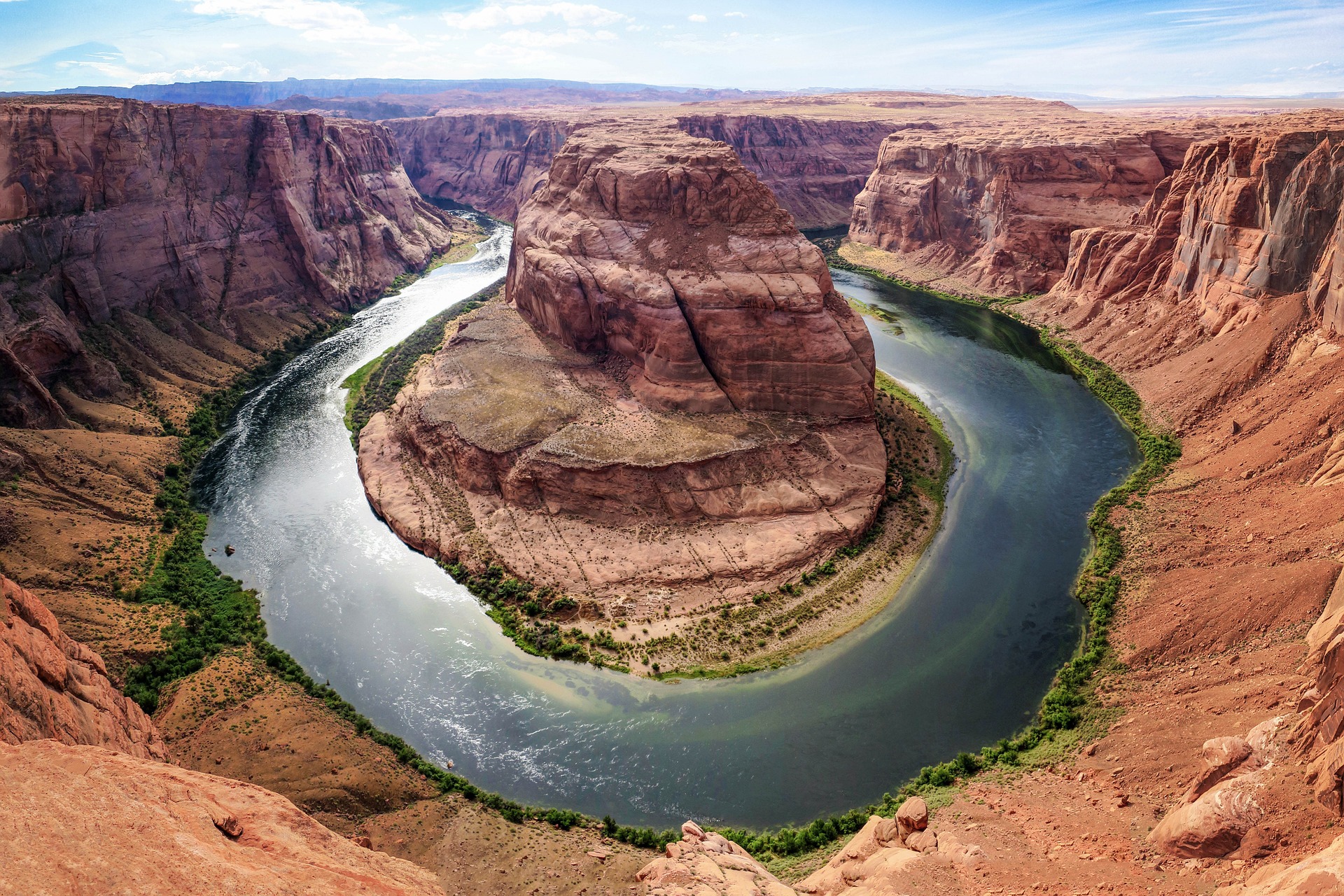
Low reservoir levels are among the most visible signs of water stress in the American Southwest. Yet some of the region’s most important water reserves lie underground, where declining supplies are much harder to observe.
Scientists studying the Colorado River Basin have identified a concerning pattern. Groundwater reserves have declined over two decades, with losses accelerating in recent years. The latest findings also challenge the belief that the region’s mountainous Upper Basin is better protected against drought.
The emerging Colorado River groundwater crisis highlights why water management must account for both underground reserves and the water flowing through rivers and reservoirs.
Satellites Reveal Changes Beneath the Surface
Tracking groundwater is difficult because scientists cannot directly observe the full extent of underground reserves across an entire river basin.
To address this challenge, researchers combined measurements from NASA’s GRACE satellite mission with estimates of surface water, snow, and soil moisture. The analysis covered water-storage changes between 2004 and 2023.
GRACE satellites detect subtle changes in Earth’s gravity caused by shifts in water distribution. Scientists can use these measurements, alongside other data, to estimate changes in groundwater storage.
The research identified sustained declines across the Colorado River Basin, with particularly significant losses during the severe drought from 2020 to 2022.
A Surprising Shift Between Two Basins
During that drought, the Upper Basin lost approximately 4.6 trillion gallons of groundwater, nearly twice the estimated 2.5 trillion gallons lost in the Lower Basin.
This result was unexpected because the Upper Basin receives water from mountain snowmelt, which helps replenish rivers and underground reserves.
However, prolonged dry conditions, higher temperatures, and reduced snowmelt can weaken this natural supply. When less water reaches the ground, underground reserves may receive less replenishment.
The Lower Basin faces different pressures, including limited precipitation and substantial demand for water. The findings suggest that neither region can rely on groundwater as an unlimited safeguard against drought.
How Underground Water Supports Communities
Groundwater helps supply households, farms, and other users when surface-water availability decreases. In some locations, it also contributes to the flow of rivers and streams.
As these reserves shrink, communities may find it increasingly difficult to maintain reliable supplies during extended dry periods. Reduced groundwater contributions can also affect connected freshwater ecosystems.
The Colorado River groundwater crisis therefore extends beyond the condition of individual wells. It raises questions about the long-term resilience of the entire water system.
Researchers also observed different relationships between surface-water shortages and groundwater drought in the two basins. In the Upper Basin, underground declines tended to follow surface-water deficits. In the Lower Basin, groundwater shortages could emerge earlier.
Why Better Water Management Matters
The study reinforces the need for water planners to monitor underground reserves rather than concentrating exclusively on reservoirs and river flows.
Improved groundwater monitoring, careful extraction limits, conservation programs, and regional cooperation could help reduce pressure on available supplies. Researchers also emphasize the importance of understanding how surface water and groundwater interact.
A wet year may provide some relief, but temporary recovery does not necessarily replace years of accumulated losses.
The Colorado River groundwater crisis serves as a reminder that water security depends on resources that are not always visible. Protecting underground reserves will be essential to planning for future droughts and maintaining dependable supplies for communities, farms, and natural habitats.

Large decline in childhood vaccinations means millions of children are missing out on protection
The number of children receiving childhood vaccinations has been declining for several years, and new data has found that 25 million children missed out
Read More
Virgin River Season 3: What are we expecting?
“Is there something going on with you guys?” Netflix has released an exciting first look at the new trailer for Season 3 of Virgin
Read More
Amazon threatens fake review companies with legal action
Fake reviews are common on e-commerce platforms – and they can be a hindrance when it comes to making purchasing decisions. To tackle this
Read More