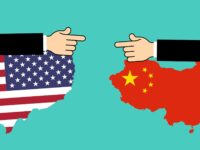
Nvidia Chip Scandal Exposes US Export Control Loopholes

The growing controversy surrounding Nvidia and Singapore-based Megaspeed International has exposed weaknesses in US restrictions designed to prevent China from accessing advanced artificial intelligence chips.
US authorities suspect Megaspeed may have helped restricted Chinese buyers obtain access to powerful American semiconductors through overseas data centers and business intermediaries. The investigation has raised questions about how effectively Washington can control advanced technology once it enters international supply chains.
How Megaspeed Became a Major Chip Buyer
Megaspeed expanded rapidly after transforming its business into AI infrastructure and cloud computing. Trade records cited in reporting show the company purchased billions of dollars’ worth of Nvidia chips and equipment.
Its business model involves building data centers and renting computing capacity to customers. This arrangement has attracted attention because Chinese companies restricted from purchasing advanced chips directly may still be able to access computing resources located outside China.
US investigators have examined whether chips purchased through Megaspeed were diverted to unauthorized users. The company has denied wrongdoing and said it takes export compliance seriously.
A Loophole in Export Restrictions
The United States introduced restrictions on advanced semiconductor exports to China to limit Beijing’s access to technology that could strengthen military capabilities and accelerate AI development.
However, restrictions on physical chip sales do not necessarily prevent foreign companies from offering computing services powered by those chips.
Chinese companies may potentially access computing resources through overseas data centers without directly owning the hardware. This has created concerns that export controls could be bypassed through cloud computing arrangements and third-party businesses.
The Megaspeed investigation has intensified debate over whether existing regulations adequately address these business models.
Governments Increase Scrutiny
The investigation has attracted attention from US and Singaporean authorities. Questions have also emerged about the effectiveness of export enforcement and whether companies involved in international chip sales are doing enough to verify their customers.
More recently, the US government added Megaspeed and several connected businesses to its trade blacklist, increasing restrictions on their access to American technology.
The move reflects growing pressure to close potential gaps in semiconductor export controls.
Final Thoughts
The Nvidia chip scandal highlights a broader challenge facing governments in the AI era. Advanced technology can move through complicated international supply chains, making it difficult to identify its ultimate users.
As AI competition between the United States and China intensifies, export restrictions may become increasingly dependent on stronger monitoring, transparency and international cooperation.

Apple and Nvidia Compete for AI Leadership
The competition to dominate artificial intelligence is accelerating, with major technology companies investing billions of dollars in advanced AI systems, powerful computing infrastructure,
Read More
Michele Janavas: Net Worth, College Bribe Scandal, Bio, Husband
Michele Janavas is the daughter of popular businessman Paul Merage. The heiress of Hot Pocket is a rich businesswoman who has made a name
Read More
Billie Eilish: The latest queerbaiting scandal
Billie Eilish recently shared some stills from her song ‘lost cause.’ A completely normal thing to do. Except it’s the caption of the post
Read More