
Stephen Colbert’s “Late Show” Signs Off After an Unforgettable 11-Year Run
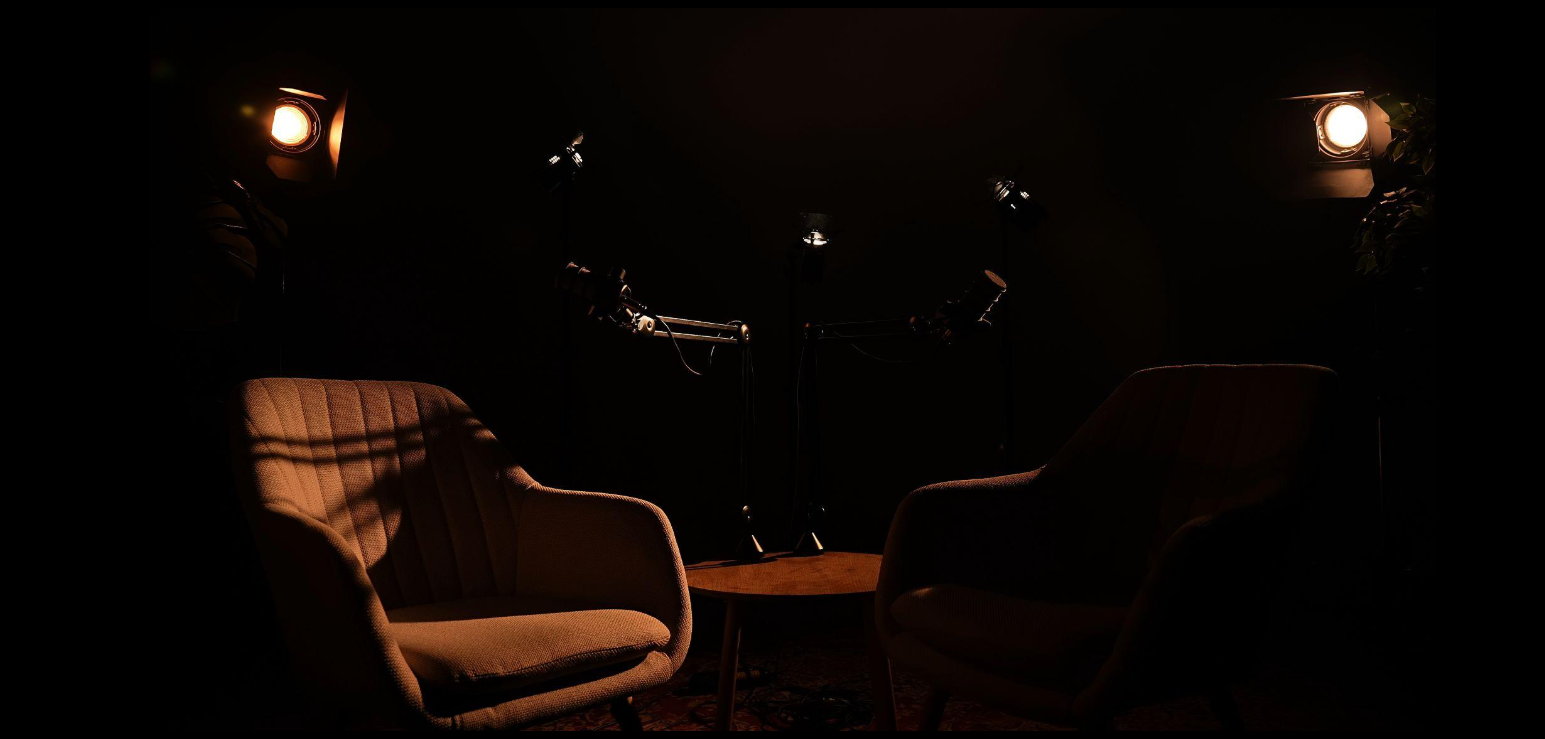
The show has officially come to an end, leaving behind a legacy that will be studied and celebrated for decades. On May 21, 2026, Colbert hosted his final broadcast at the iconic Ed Sullivan Theater, closing the curtain on one of the most impactful chapters in late night television history. The farewell was as grand and emotional as the show itself, marking the conclusion of an 11-year run that redefined what late night could be.
The Star-Studded Finale That Stopped the Internet
The final episode of Stephen Colbert’s “Late Show” was nothing short of spectacular. Paul McCartney, one of the most legendary musicians alive, served as the show’s final guest, bringing the evening full circle in a deeply symbolic way. McCartney had performed on that very same Ed Sullivan Theater stage with The Beatles during their iconic American television debut in 1964. His closing performance of “Hello, Goodbye” brought Colbert, returning bandleader Jon Batiste, and Elvis Costello together on stage, with staff members joining in as the show faded to black for the last time.
In the days leading up to the finale, a stream of beloved celebrities stopped by to pay their respects, including Tom Hanks, Billy Crystal, Bruce Springsteen, Steven Spielberg, and even David Letterman himself, the man who launched The Late Show franchise all the way back in 1993.
Why CBS Pulled the Plug on a Number One Show
The cancellation of Stephen Colbert’s “Late Show” came as a shock to many, particularly given its remarkable performance record. CBS confirmed the decision in July 2025, describing it as a purely financial move made against a challenging backdrop in late night television. The network was clear that the cancellation had nothing to do with the show’s content or ratings. In fact, the program had been the number one ranked late-night show for nine consecutive seasons, a staggering achievement in today’s fragmented media landscape.
CBS went so far as to call Colbert irreplaceable, announcing it would retire the entire Late Show franchise rather than continue it under a new host. Many fans and even public figures questioned whether political pressure played a role, given Colbert’s sharp and consistent criticism of powerful figures throughout his tenure. Whatever the reasons, the decision sparked enormous public backlash and widespread mourning across social media.
The Legacy Left Behind
Few programs in recent memory have shaped political and cultural conversation the way Stephen Colbert’s “Late Show” did. The nightly monologue became essential viewing for millions of Americans trying to process an increasingly turbulent news cycle. Colbert’s ability to blend genuine outrage with razor-sharp humor gave audiences both a release valve and a sense of solidarity.
Beyond the laughs, the show championed authentic storytelling, meaningful interviews, and a team-first culture that Colbert frequently credited as the true heart of the production. In his final moments on stage, he told the audience they were lucky to have had 11 years together, choosing gratitude over grief. That grace, that mix of wit and warmth, is exactly what made it one of the greatest programs in the history of American television.

Paddington 2 loses perfect Rotten Tomatoes score after a Late Negative Review
Paddington Bear 2 has been a perfect scorer of the website Rotten Tomatoes till this month. The rating of the film went down after
Read More
US government spending to continue as normal after President Biden signs bill to avoid shutdown
Earlier in the week, Treasury Secretary Janet Yellen issued a warning to Congress that the debt ceiling urgently needs to be dealt with and
Read More
Trump Signs Travel Ban Affecting 12 Nations, Citing Security Concerns
President Donald Trump signed a proclamation late Wednesday instituting a new travel ban, effectively barring entry to the United States for citizens of
Read More