
Lebanese Americans Return to Homes Damaged by Conflict
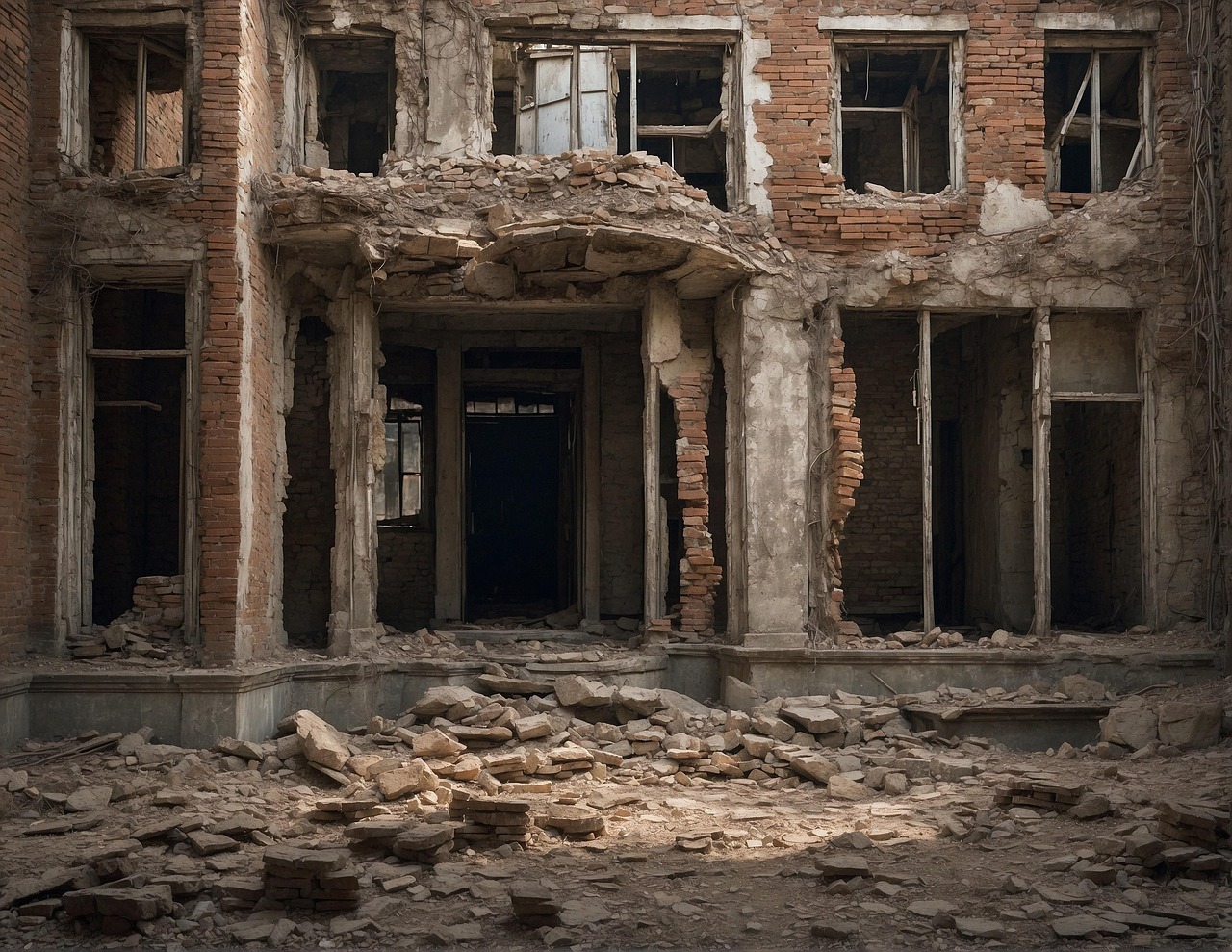
Many Lebanese Americans are returning to their ancestral towns to assess the damage caused by months of conflict, only to find homes, businesses, and neighborhoods severely affected. The destruction has left families coping with emotional and financial losses while raising questions about rebuilding efforts and future stability in southern Lebanon.
For many members of the Lebanese diaspora, the affected properties represent more than financial assets. They are family homes passed down through generations and serve as lasting connections to their cultural heritage. As travel restrictions ease in some areas, families have begun documenting damage and exploring options for reconstruction.
Families Face Difficult Recoveries
Residents and overseas property owners say rebuilding will be a lengthy process. Some homes have suffered structural damage, while others have been completely destroyed during military operations.
In addition to repairing buildings, many families must restore essential utilities such as electricity, water, and communications before they can consider returning permanently. Local businesses have also been affected, reducing employment opportunities and slowing economic recovery in many communities.
Community organizations and volunteers have begun assisting affected residents by providing emergency aid and helping assess rebuilding needs.
Diaspora Communities Remain Closely Connected
Lebanese communities living abroad have long supported relatives through financial assistance, charitable donations, and investment in local businesses. Following the recent destruction, many families are once again organizing fundraising campaigns to help rebuild homes and provide humanitarian support.
For second- and third-generation Lebanese Americans, visiting damaged family properties has become an emotional experience. Many describe feeling a deep connection to villages they visited throughout childhood, making the losses especially difficult.
Community leaders say the strong relationship between Lebanon and its global diaspora continues to play an important role during periods of crisis.
Rebuilding Brings Financial Challenges
Experts say reconstruction will require significant investment from both public and private sources. Repairing homes, schools, roads, and public infrastructure often takes years following periods of armed conflict.
Property owners may also face legal and administrative challenges when documenting damage, securing construction permits, or accessing available financial assistance programs.
Economists note that successful rebuilding efforts depend not only on funding but also on long-term political stability and improved security conditions.
International Attention Remains Focused on Recovery
Humanitarian organizations continue monitoring conditions in affected communities while encouraging support for civilians impacted by the conflict. International aid agencies have emphasized the importance of protecting civilian populations and assisting families displaced by violence.
Diplomatic efforts aimed at reducing tensions remain ongoing, although experts acknowledge that achieving lasting stability may require sustained international cooperation.
Many families hope reconstruction efforts can begin quickly so that future generations will be able to maintain their connection to their hometowns.
Looking Ahead
For Lebanese Americans returning to damaged communities, rebuilding represents both a practical challenge and an emotional journey. Restoring family homes is about preserving memories, protecting cultural heritage, and maintaining ties between generations.
Although recovery will take time, community organizations, humanitarian groups, and families continue working together to support reconstruction efforts. Their commitment reflects the resilience of communities determined to rebuild despite the hardships created by conflict.
As recovery progresses, the experience highlights the lasting impact that armed conflicts have on civilians, including those whose lives extend far beyond the countries directly affected.

How the Biden administration plans to ease gas prices for Americans
Since early this summer, gas prices have been at a seven-year high and motorists are continuing to face rises in the cost of fuel
Read More
Joe Biden warns Americans that Russian invasion of Ukraine is still possible
The Kremlin has repeatedly denied that it’s planning an invasion against Ukraine and that the troops assembling near the border would begin their withdrawal
Read More
Enquiry launched into false information about the conflict between Hamas and Israel
The EU is conducting an investigation into Elon Musk’s platform, X, over concerns related to the potentially terrorist and violent content, as well as
Read More