
Oil Prices Surge Above $100 Amid Iran Conflict
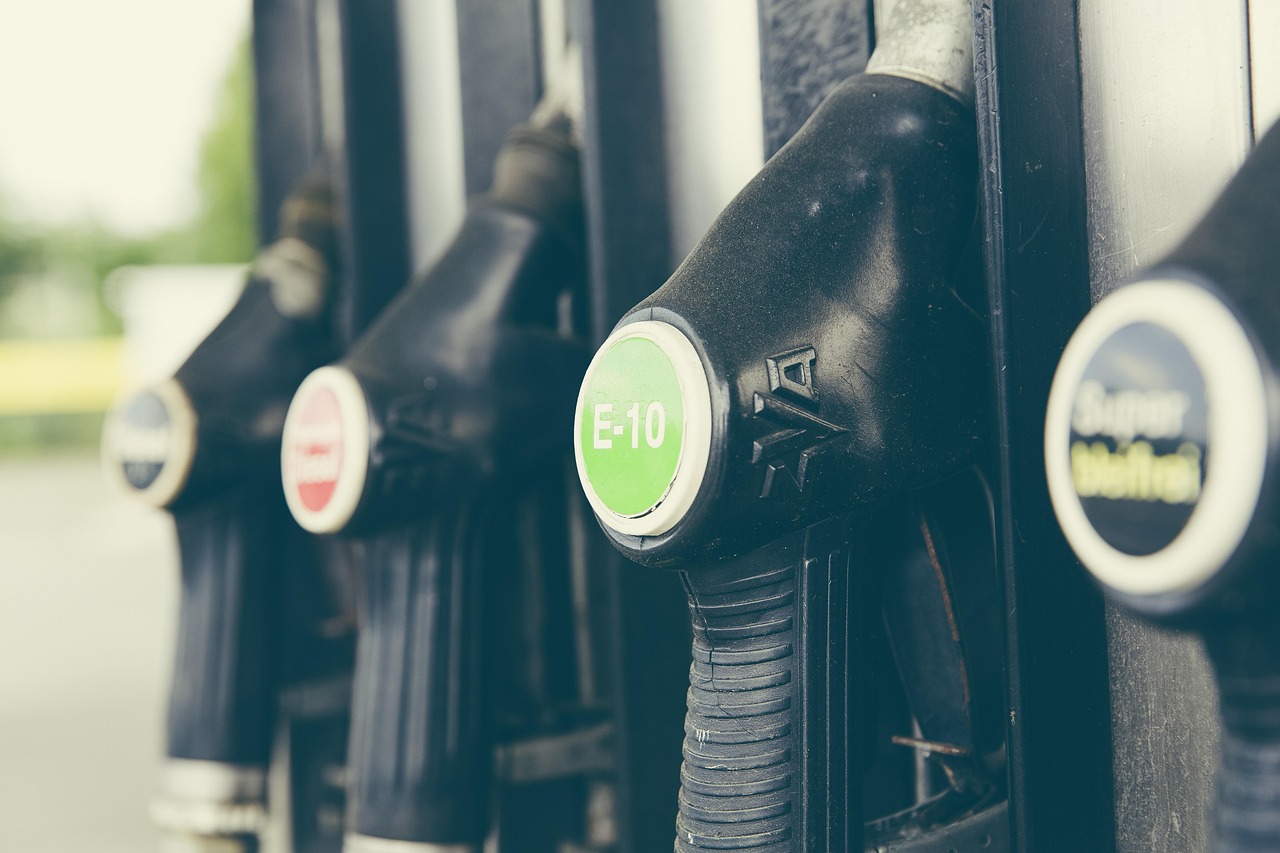
Oil prices have surged past $100 a barrel as the escalating conflict involving Iran creates growing uncertainty over global energy supplies.
Brent crude rose to $101.21 per barrel on September 9, gaining $3.29, or about 3.4%, during the session. West Texas Intermediate, the US benchmark, also climbed and finished at $96.05 per barrel.
The move pushed Brent to its strongest closing level since May and marked the first time since July that the benchmark had ended a session above $100.
Strait of Hormuz Becomes a Major Concern
A key reason behind the latest jump in oil prices is the growing risk surrounding the Strait of Hormuz, one of the world’s most important routes for energy transportation.
Iran said it had attacked 10 ships near the waterway after the United States sank five Iranian oil tankers. The developments have raised concerns among traders that shipping through the region could face additional restrictions or disruptions.
Around one-fifth of the world’s oil and natural gas trade normally passes through the Strait of Hormuz. A prolonged interruption could therefore create supply problems for countries across Asia, Europe and other major energy markets.
Threats Extend to Saudi Energy Infrastructure
The conflict is also creating concerns about energy facilities outside the immediate shipping route.
Iran-backed Houthi forces have launched attacks targeting Saudi energy infrastructure, adding another layer of uncertainty to the oil market. Damage to production or transportation facilities could further tighten supplies if the attacks continue.
The Red Sea is also being closely watched because it serves as an alternative route for some energy shipments. Any disruption in that region could make global transportation more complicated and expensive.
Fuel Costs Could Rise Further
The increase in oil prices is already adding pressure to fuel markets. Gasoline and diesel costs have remained high as crude supplies face greater risks and uncertainty spreads through the energy sector.
Higher fuel prices can affect much more than drivers at the pump. Transportation companies, manufacturers, farmers and retailers all depend on fuel, meaning a sustained rise in crude costs can eventually increase the price of goods and services.
Consumers could therefore face additional financial pressure if crude remains above the $100 level.
Inflation Concerns Return
Rising oil prices are also creating fresh worries about inflation. Energy is a major input for businesses, and higher fuel costs can increase expenses throughout supply chains.
The US Energy Information Administration has adjusted its oil outlook as inventories fall and uncertainty surrounding Middle Eastern supplies grows.
For central banks, another period of elevated energy prices could make the fight against inflation more difficult. Policymakers may have to balance higher living costs against concerns about economic growth.
What Could Happen Next?
The future direction of oil prices will depend heavily on developments in the Iran conflict and whether energy shipments through the region can continue without major interruptions.
Brent previously climbed as high as $126.41 a barrel in April before retreating as traders became more confident that the conflict would remain contained. The latest escalation has renewed fears that disruptions could last longer than previously expected.
Markets are now watching the Strait of Hormuz, Iranian military activity and Saudi energy facilities closely. A further deterioration in the situation could push crude higher, while diplomatic progress or reduced attacks could help ease pressure on the market.
For now, the possibility of a broader energy disruption remains one of the biggest risks facing the global economy.
Markets Surge and Oil Tumbles as Trump Hits Pause on Iran Strikes
A single social media post from President Donald Trump was enough to send financial markets into a sharp reversal on Monday, erasing days
Read More
Gas and oil prices continue to rise due to Russian invasion of Ukraine
The Ukraine invasion has meant that crude oil prices have now reached $110 per barrel for the first time since 2014. Energy prices had
Read More
US Supply Chain Crisis Deepens as Diesel Prices Surge
American businesses are dealing with a difficult mix of rising fuel costs, shipping delays and unpredictable demand, creating a supply chain environment that
Read More