
Ocean Plastic Pollution May Be Contributing to Climate Change, Scientists Warn
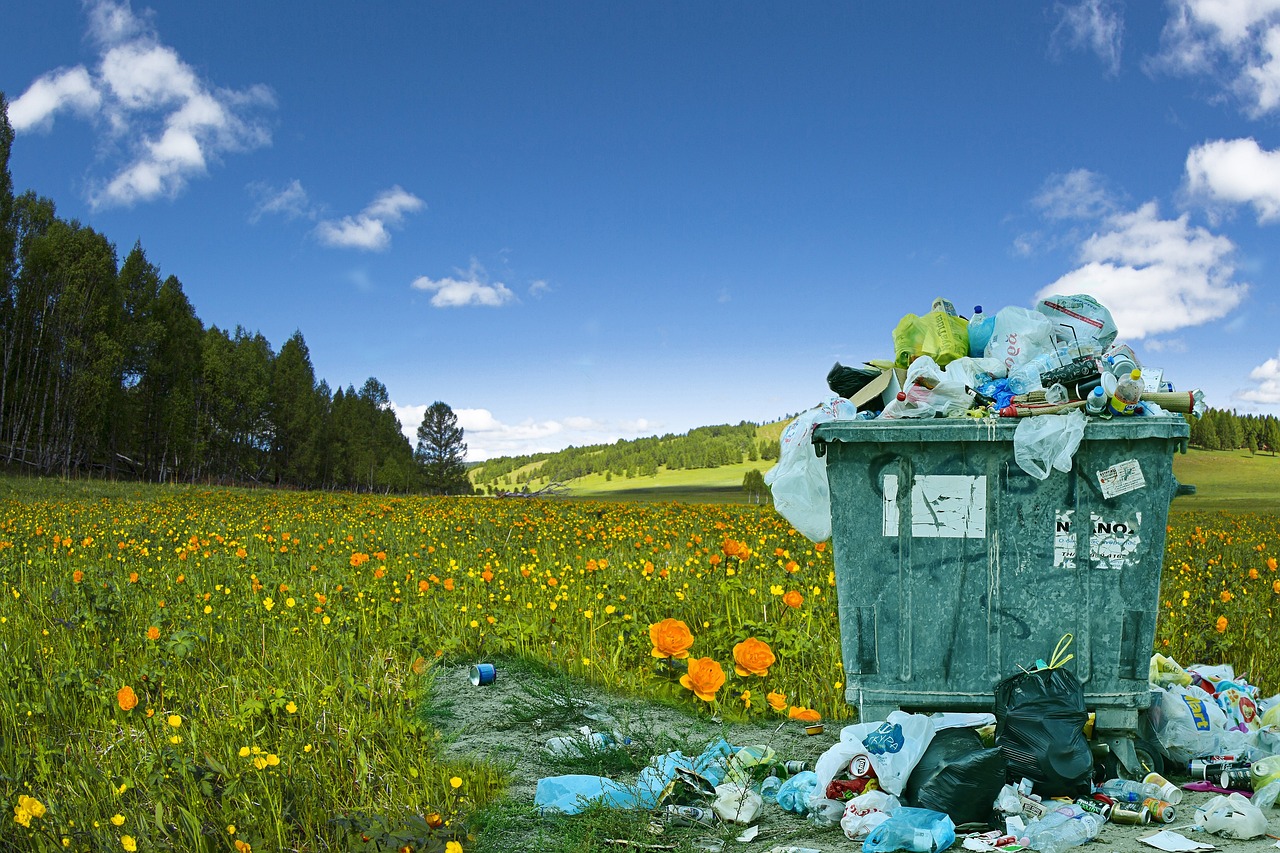
The Great Pacific Garbage Patch, a massive accumulation of floating plastic debris located between California and Hawaii, has long been viewed as one of the world’s biggest environmental disasters. Spanning an area larger than many countries, the floating waste continues to grow as plastic pollution enters the oceans every year.
Now, scientists believe the problem may extend far beyond the sea. New research suggests that tiny fragments of plastic breaking apart in the environment could also be contributing to global warming.
As larger plastic items collide with waves, sunlight, and other debris, they gradually break into microscopic particles known as microplastics and nanoplastics. These particles are so small that they can become airborne and travel through the atmosphere.
Researchers say this airborne plastic pollution may interact with sunlight in ways that increase heat retention in the atmosphere.
Tiny Plastic Particles May Trap Heat
A recent study conducted by scientists from the United States and China explored how airborne plastics behave once they enter the atmosphere. The researchers focused on how different types of plastic absorb or reflect sunlight.
Their findings showed that many plastic particles absorb heat instead of reflecting it away. Dark-colored plastics, including black, blue, red, and yellow particles, were especially effective at trapping sunlight.
Scientists compared the effect to wearing a black shirt on a hot day — darker materials absorb more heat. According to the research, colored plastics absorbed dramatically more light than clear or transparent plastics.
The study also found that smaller particles tend to remain suspended in the atmosphere longer than larger ones. Nanoplastics, which are far smaller than a human hair, may therefore have a greater long-term effect because they can stay in the air for extended periods while continuing to absorb sunlight.
Researchers believe this warming effect has largely been overlooked in previous climate studies.
Aging Plastics Become More Dangerous Over Time
Another important discovery involved how plastics change as they age in the environment. Researchers exposed plastic samples to ultraviolet light to simulate long-term environmental exposure.
Some plastics became darker or yellowed over time, increasing their ability to absorb heat. Others faded slightly, reducing their warming impact. However, scientists found that most particles eventually become darker as they break down and move through the atmosphere.
This means plastic pollution may become even more harmful over time, both environmentally and climatically.
The researchers also highlighted ocean regions like the Great Pacific Garbage Patch as major sources of airborne plastic particles. In these swirling currents, floating plastics constantly collide, break apart, and release microscopic fragments into the air.
Scientists Say More Research Is Needed
Although the warming effect from airborne plastics is currently considered smaller than major climate pollutants like carbon dioxide or black carbon, researchers say the issue should not be ignored.
Some scientists estimate that microplastics may already contribute a noticeable amount of atmospheric warming, especially in heavily polluted regions.
However, measuring the exact amount of plastic in the atmosphere remains extremely difficult. Experts say more long-term monitoring is needed before scientists can fully understand the global climate impact.
Environmental researchers also warn that the health effects of inhaling microplastics are still not fully understood. Tiny plastic particles have already been detected in oceans, drinking water, food, and even the human body.
As plastic production continues to rise worldwide, scientists say understanding the environmental and climate consequences of these materials has become increasingly urgent.

Scientists concerned about “unprecedented” temperature rises at the earth’s poles
Climate scientists have issued a warning about recent heatwaves at both of the poles. They said that this is an “unprecedented” event that could
Read More
Journalists union warn about the dangers of Greek law to prevent fake news
A union representing journalists in Greece is calling for a new law aimed at preventing the spread of misinformation to be withdrawn as soon
Read More
Record Flood Emergencies in 2024 Signal Climate Threat
Extreme weather has plagued the United States this year, with a record number of flash flood emergencies highlighting the growing threat of climate
Read More